Why Should I See an Out-of-Network Spine Specialist?
February 23, 2026
Tips and Tricks to Help With Skin Rejuvenation
March 2, 2026
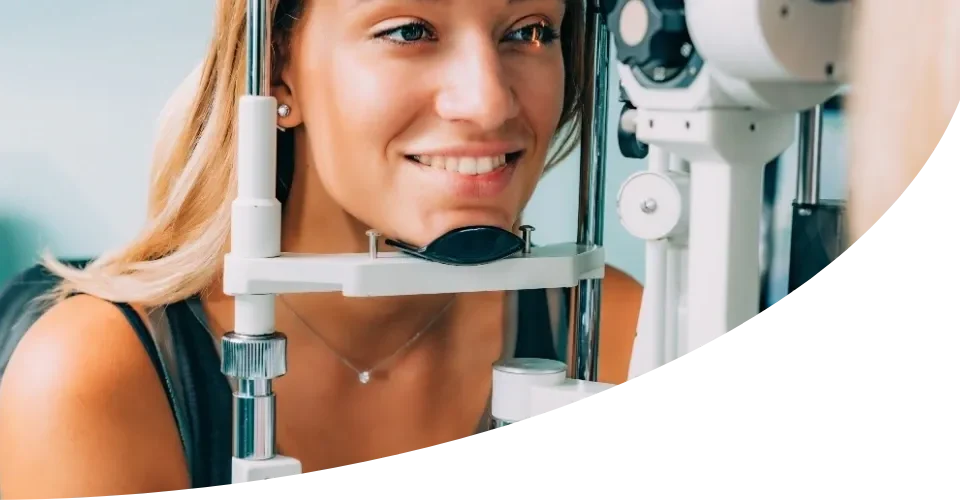
Patients often consult their doctors when experiencing headaches or discomfort. Optometrists perform comprehensive eye examinations to assess vision and detect potential eye health concerns. Using advanced diagnostic tools, they identify factors that may impact eye health. Here is how eye doctors diagnose common vision problems:
Conducting General Eye Exams
Routine eye examinations detect vision problems before significant symptoms appear. By identifying issues early, regular exams help prevent impaired vision from affecting learning, work, or daily activities. During these evaluations, optometrists assess for nearsightedness, farsightedness, and astigmatism, all of which can cause blurred vision. For individuals who already wear corrective lenses, these checkups identify the need for an updated prescription. As people age, regular eye exams also reveal changes related to conditions such as presbyopia, glaucoma, cataracts, or retinal damage caused by diabetes or macular degeneration.
Optometrists also perform eye examinations for infants and children to evaluate eye-tracking and overall visual development. These tests assess both fast and slow eye movements and examine four key areas of vision; they evaluate visual acuity, eye movement, alignment, and depth perception. Early detection of issues with eye coordination or depth perception allows timely intervention, supporting learning and preventing complications later in life.
Completing Contact Lens Exams
A contact lens examination consists of several tests to determine the most suitable lenses for your eyes. Before prescribing lenses, an eye doctor evaluates both the health of your eyes and your visual acuity. Because contact lenses vary in size and shape, the doctor also measures the curvature of your cornea to provide a proper fit.
This exam allows the doctor to select lenses that match the size, shape, and material best suited for your eyes. It is conducted as part of a comprehensive eye evaluation, which includes additional tests to assess overall eye health and verify the prescription and lens fit. During a contact lens exam, the doctor will:
- Evaluate each eye individually to determine the correct prescription.
- Measure the curvature of the cornea to select the appropriate lens type and size.
- Provide a complete contact lens prescription, including lens power, base curve, and diameter.
Diagnosing Dry Eye Issues
Dry eye occurs for a variety of reasons, ranging from mild irritation and soreness to more severe symptoms. During an evaluation, an optometrist can identify underlying causes such as disease, allergies, hormonal changes, or environmental factors. Based on these findings, the optometrist develops a personalized care plan to manage your symptoms effectively. Specialized instruments are used to assess the quality of the tear film on the eye’s surface. When standard treatments, such as artificial tears, do not provide relief, multiple factors may be contributing to the discomfort.
Assessing Headaches and Disorders
Certain eye conditions, including diabetic retinopathy, glaucoma, macular degeneration, and cataracts, often do not show noticeable symptoms in their early stages. Optometrists detect signs of these conditions before significant vision loss occurs; this allows for timely management and treatment planning. Identifying problems early simplifies interventions and supports better long-term eye health.
Headaches can sometimes originate from vision-related issues. Strain caused by blurred vision, improper focus, or abnormal eye movement contributes to discomfort. During an eye examination, optometrists evaluate factors such as eye alignment, focusing ability, and visual habits to determine whether vision problems are linked to recurring headaches. Treatments aimed at reducing visual strain, including corrective lenses or vision therapy, help improve comfort. They may decrease the frequency of headaches associated with extended reading or prolonged use of digital devices.
Contact an Eye Doctor Today
An eye exam helps predict vision issues before debilitating symptoms appear. Eye doctors diagnose and manage eye issues such as dry eyes, persistent discomfort, age-related deterioration of eye surfaces, and visual distortions caused by incorrect prescription lenses. Schedule a consultation with an optometrist today.