
The Role of Regular Check-Ups With Your Cardiologist
June 17, 2026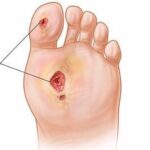
The Role of Education in Successful Diabetic Wound Care
June 17, 2026
Constipation affects millions of people each year, interfering with daily routines. Natural constipation remedies include increasing dietary fiber, drinking more water, exercising regularly, and adjusting bathroom habits. These approaches can relieve mild to moderate constipation, but patients with persistent symptoms benefit from consulting a gastroenterologist to rule out underlying conditions. Here is more information on what constipation is, why it happens, and which natural remedies may bring relief:
What Is Constipation?
Constipation is a digestive condition marked by infrequent or difficult bowel movements. Medically, it refers to fewer than three bowel movements per week, and stools may become hard, dry, and painful to pass. The condition can be acute, lasting a short period, or chronic, persisting for several weeks or longer.
The digestive system processes food, and it removes waste through the colon. When waste moves too slowly through the colon, the body absorbs more water from it. This results in harder stools that are tough to eliminate. Chronic constipation may point to an underlying issue that requires medical evaluation.
What Causes It?
Several factors contribute to constipation, and a low-fiber diet is one of the most common causes. Fiber adds bulk to stool and helps it move through the digestive tract. Dehydration also plays a role, since water softens stool and supports regular movement. Other causes include a sedentary lifestyle, certain medications, and ignoring the urge to use the bathroom. Medical conditions such as irritable bowel syndrome, hypothyroidism, and diabetes can also trigger constipation.
What Are the Symptoms?
Constipation presents through a range of physical signs. Recognizing these symptoms helps patients identify the condition early. Common symptoms include:
- Fewer than three bowel movements per week
- Hard, dry, or lumpy stools
- Straining during bowel movements
- A feeling of incomplete evacuation
- Abdominal bloating or discomfort
- A sensation of blockage in the rectum
When these symptoms persist or worsen, they may signal a more serious problem. Tracking how often they occur gives the doctor useful information during an evaluation.
How Is Daily Life Affected?
Constipation does more than cause physical discomfort; chronic cases can interfere with daily activities and reduce overall quality of life. Bloating and abdominal pain may make it difficult to concentrate at work, reducing productivity. Some patients avoid social situations or alter their diets to avoid triggering symptoms. Addressing constipation early helps restore daily routines.
What Are Natural Remedies?
Several natural approaches can relieve constipation, thereby promoting regular bowel movements. Increasing dietary fiber is one of the most effective methods; foods such as whole grains, fruits, vegetables, and legumes add bulk to stool. Adults generally benefit from 18 to 30 grams of fiber per day.
Drinking enough water supports the digestive process. Water softens stool and helps fiber work properly. Regular physical activity stimulates the muscles in the intestines, which encourages movement of waste through the colon. Establishing a consistent bathroom routine also helps. Responding to the urge promptly and allowing enough time are healthy habits, and gradual changes may produce lasting results.
Consult a Gastroenterologist
Natural remedies relieve some cases of constipation, but they do not address every cause. Persistent or severe symptoms may indicate an underlying condition that needs medical attention. A gastroenterologist can evaluate your symptoms, identify the root cause, and recommend a treatment plan suited to your needs. If constipation continues despite dietary and lifestyle changes, schedule an appointment with a gastroenterology specialist.