When To Visit Urgent Care for Sports Injuries
June 12, 2026
Treatment Solutions for Concussions
June 12, 2026
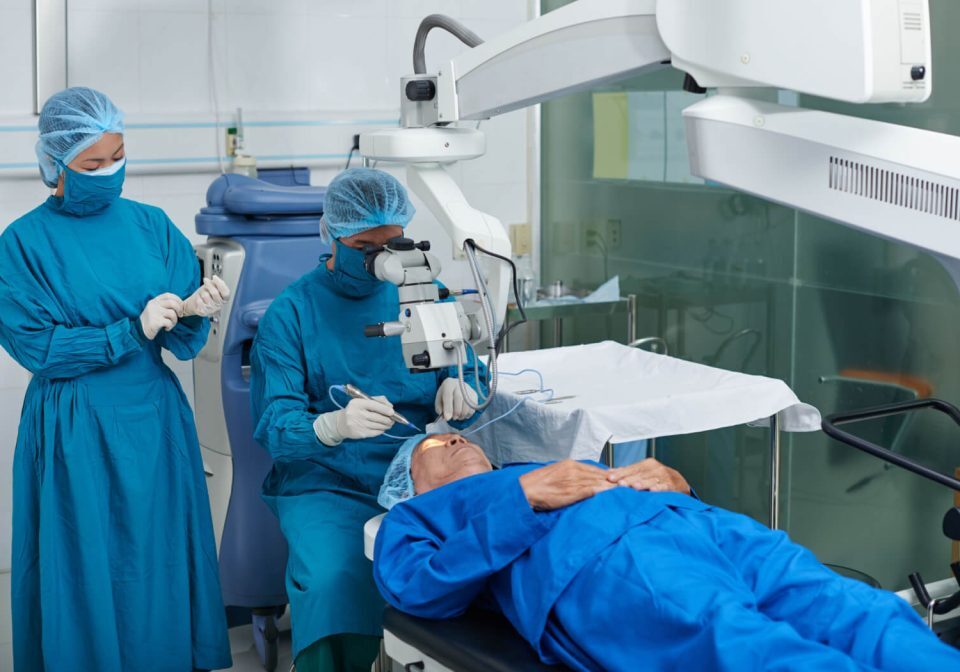
A cataract forms when the natural lens of the eye becomes cloudy, and this clouding reduces the clarity of vision over time. Cataract surgery is a procedure that removes the clouded lens and replaces it with an artificial one. Several measurable factors shape how the procedure is planned for each patient. Reviewing these factors with an eye specialist supports an informed treatment decision.
Current Health Markers
General health markers influence how the procedure is planned and how recovery progresses, especially in regard to chronic conditions. Conditions such as diabetes, high blood pressure, and dry eye can affect the surface and interior of the eye, and these conditions are noted during the preoperative review. A complete medication list helps the surgical team plan timing and account for side effects. Some of these health conditions can increase risks during cataract surgery, so a doctor should know if a patient has other diagnoses.
Lens Types
Because the replacement lens stays in the eye permanently, the type selected during planning carries long-term effects on focus and clarity. Artificial lenses fall into a few broad groups based on how they manage light. The choice depends on a patient’s daily activities and visual needs, since they can also be used to fix near- and farsightedness.
Monofocal lenses provide clear vision at a single distance, and many patients still use reading glasses for close tasks after the procedure. A monofocal lens corrects either near or far sight. Multifocal lenses, by contrast, are designed to support more than one distance, which can reduce reliance on separate glasses. Each option carries different trade-offs in adaptation timing.
Toric lenses address astigmatism, a condition where the cornea has an irregular curve that distorts focus. These lenses align with the curvature to sharpen the image. Some patients qualify for several lens groups, while others have measurements that narrow the suitable options. A specialist reviews the eye’s shape and measurements before recommending a specific lens.
Existing Vision Loss
Vision loss does not always come from a single source, and a cataract can exist alongside other eye conditions that limit sight. Glaucoma, macular degeneration, and damage to the optic nerve each affect vision in distinct ways. Removing a cataract addresses only the clouding resulting from the lens itself. Other conditions remain after the procedure unless treated separately. If the majority of vision loss occurs due to a cataract, one surgery is usually enough to resolve a large portion of vision issues.
A thorough evaluation maps which part of the visual system causes each symptom. Imaging tests and measurements of pressure inside the eye help separate cataract-related blur from other causes. The surgical plan reflects these findings, and the expected change in vision is discussed in clear terms beforehand. Patients gain a realistic picture of the outcome through this process. Patients often report significantly better vision after this procedure.
Schedule a Cataract Surgery Evaluation
An eye evaluation can allow an eye doctor to diagnose a cataract, and they can offer options for vision correction. If a cataract is significantly impairing a person’s vision, surgery is a common option for resolution. Doctors often evaluate other health conditions that may factor into treatment planning. Contact an eye clinic to schedule a consultation.