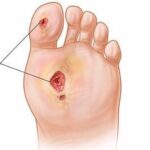
The Role of Education in Successful Diabetic Wound Care
June 17, 2026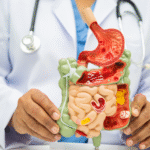
Understanding What Happens During a Colonoscopy
June 17, 2026
Breast cancer is a disease where cells in the breast tissue grow abnormally. These cells usually form a lump or tumor, but some types may spread to other parts of the body. Doctors treat breast cancer with methods like chemotherapy, radiation therapy, and surgery. Each treatment works differently, and each can cause side effects while targeting cancer cells. Knowing how to handle these effects can help you feel more informed during your care. Here’s information on how to manage common side effects from breast cancer treatments:
Managing Chemotherapy Side Effects
Chemotherapy uses strong medicine to kill cancer cells, so it is used in many breast cancer treatment plans. While it targets the disease, it can also cause side effects like nausea, fatigue, and pain. Many people feel tired or sore during this treatment time. To ease discomfort, your care team may suggest analgesics, which are medicines that help reduce pain. Always take these only as directed by your doctor.
Rest is also fundamental during chemotherapy, so try to drink plenty of water and eat small, balanced meals. Gentle movement, such as short walks, may help keep your energy steady without overexertion. Talk to your doctor about any new symptoms so they can adjust your plan if needed.
Managing Radiation Therapy Side Effects
Radiation therapy uses focused energy to destroy cancer cells in a specific area. Some common side effects from this therapy include:
- Skin Changes
- Tiredness
- Nausea
To help with nausea and treatment-related discomfort, your doctor may recommend antiemetics, which are medicines that reduce sick feelings and pain. You can also wear loose, soft clothing to lower friction on sensitive areas.
The skin near the treated area may become red, dry, or sore, and the hair in that area is often affected as well. Your care team may suggest dermatological products, such as gentle moisturizers or creams, to support skin and hair health. Use only the products your doctor approves, since some lotions can irritate treated skin.
Managing Surgical Side Effects
Surgery is sometimes necessary to remove cancer from a breast; the type of surgery affects your recovery time. After any operation, you may feel pain, swelling, or stiffness near the surgical site. Follow your surgeon’s instructions for wound care and movement.
Mastectomy Recovery
A mastectomy removes the whole breast. Recovery often takes several weeks, and you may notice tightness or numbness in the chest area. After surgery, you will have drains to remove extra fluid, and your nurse will show you how to care for them. Gentle arm exercises, when approved by your doctor, can help restore movement over time, often after a period of rest. Avoid heavy lifting until your care team says it is safe. Take prescribed medications as directed to manage pain effectively during your recovery.
Lumpectomy Recovery
A lumpectomy removes only the tumor and a small area around it, so recovery is usually shorter than with a mastectomy. You may have mild pain or swelling for a few days. Keep the wound clean and dry, and attend all follow-up visits so your doctor can check your healing. Report any signs of infection, such as fever or increased redness, right away.
Manage Breast Cancer Effectively
Managing side effects is a key part of breast cancer treatment, but you do not have to do it alone. A specialist can review your symptoms and help adjust your care to fit your needs and treatment side effects. Working with a trusted specialist provides reliable support and clear guidance throughout your cancer treatment. Speak openly with your care team about any side effects you notice, even small ones. Early communication helps your doctor respond quickly and keep you comfortable.