Tips for Athletes to Avoid Sport Injuries
June 15, 2026
The Benefits of Physical Therapy in Sports Medicine
June 15, 2026
LASIK can correct vision, and it follows a clear, structured path. The process moves through three stages: consultation, surgery, and recovery. Each stage matters, and knowing what happens helps you prepare. Since you need to make an educated decision, discuss the process today.
Understand the Consultation Process
Your journey begins with a consultation. During this visit, your surgeon examines your eyes and reviews your medical history. The team measures your corneas, and they check your overall eye health. This step confirms whether you qualify for laser eye surgery. Your surgeon also tests your tear production. Dry eyes can affect healing, so this check matters. You will discuss your daily habits, and your surgeon will review your medications. Some conditions delay surgery, but many can be managed first. LASIK suits many people, but not everyone. If you have astigmatism, your surgeon will assess how it affects your candidacy. Your surgeon measures the degree and confirms whether treatment will help. Your eyes must meet standards, and your prescription should be stable first.
Prepare for Your Surgery
Preparation shapes a smooth surgery day. Your surgeon gives you instructions before the appointment, and following advice protects your eyes. Since you need your vision, follow all of the steps. A few simple steps help the equipment read your cornea accurately, and they keep you comfortable:
- Stop wearing contact lenses on the schedule your surgeon sets.
- Skip eye makeup, perfumes, lotions, and creams on the day.
- Eat a light meal, and take any medications your surgeon approves.
- Avoid alcohol the night before, and get adequate rest.
- Arrange a ride home, since you cannot drive immediately.
- Bring sunglasses, because your eyes will be sensitive to light.
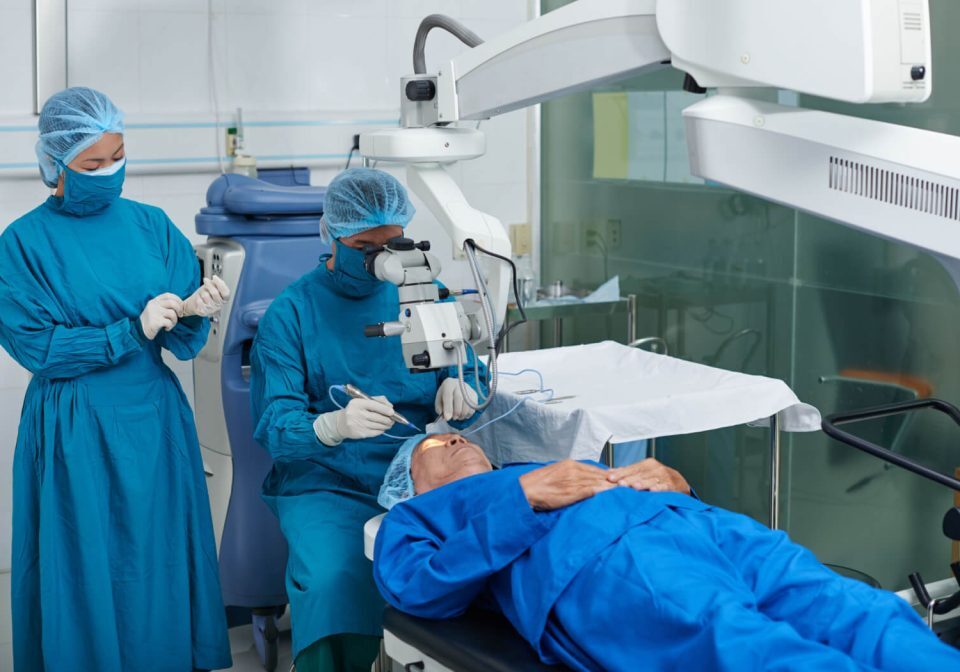
Wear comfortable clothing, and plan your day in advance. A calm, prepared mind may help the appointment proceed smoothly, and it supports your comfort. Ask your surgeon to confirm your arrival time, and review the consent forms beforehand. These simple preparations reduce delays, while setting the stage for a successful procedure. A device holds your eyelids open. It keeps you from blinking during the procedure.
Recover After the Procedure
Since recovery starts right after your surgery ends, be prepared for it. You may notice blurry vision, and your eyes are sometimes dry for a few days. Your surgeon provides protective shields, and you should wear them while you sleep. These steps guard your eyes during healing. You may have mild burning or watering, but these sensations fade within hours. Rest your eyes for the first few hours, and avoid screens when possible. Keep your follow-up appointment for the next morning, since your surgeon must check the flap.
They will confirm that your eyes heal correctly, and they will answer any new questions. Avoid bright light during this period, and wear sunglasses outside. Follow the aftercare plan closely. You will use prescribed eye drops,so avoid rubbing your eyes. Use them as scheduled and store them as directed. Attend your follow-ups, since your surgeon will track your progress and confirm vision improves. These checks catch problems early, and they confirm the flap heals.
Schedule Your LASIK Consultation
LASIK follows a defined path from consultation to recovery. Understand each stage, and you know what your eyes need. If you want clearer vision, schedule a consultation today. A qualified surgeon will guide you through the process.