
Exploring the Causes of Acne and How To Treat It
June 16, 2026
The Connection Between Diabetes and Foot Health
June 17, 2026
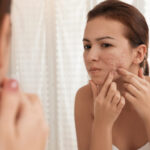
Acne is a common skin condition that people experience, and it may show up on the face, chest, back, and shoulders. While acne is often linked with the teenage years, many people deal with breakouts well into adulthood. Learning how acne forms and what options exist for treating both the condition and the marks it can leave behind helps you make informed choices about your skin and your health.
What Is Acne?
Acne is a skin condition that develops when the pores in your skin become blocked, and each pore connects to a gland that makes an oily substance known as sebum. When oil, dead skin cells, and bacteria build up inside a pore, the result is a blocked follicle that can swell and become inflamed. Acne shows up in several forms. Some of the most common types include:
- Whiteheads: Closed, clogged pores that appear as small bumps under the skin.
- Blackheads: Open, clogged pores that look dark at the surface.
- Papules: Small, red, tender bumps caused by inflammation.
- Pustules: Bumps that contain pus at the tip, often called pimples.
- Nodules and Cysts: Larger, deeper lumps that can be painful and may lead to scarring.
The severity of acne ranges from a few occasional blemishes to widespread breakouts.
What Causes It?
Several factors work together to trigger acne. When glands produce more sebum than the skin needs, pores are more likely to clog. Shifts in hormones can play a large role, and many people notice breakouts during puberty, pregnancy, or during times of hormonal change.
Bacteria that naturally live on the skin may multiply inside a blocked pore, and this leads to redness and swelling. Skin sheds cells constantly. When these cells do not clear away properly, they can mix with oil and block pores.
Other influences may affect acne as well. These can include certain medications, diet patterns, stress levels, and the use of heavy or oily skin products. Acne may also run in families. Each person’s skin responds differently, and this is why the same triggers do not affect everyone the same way.
How Is It Treated?
The treatment for acne and any resulting scars depends on the type and severity of the condition. A dermatologist can assess your skin, and they will recommend an approach tailored to your specific situation. For active acne, treatment may begin with topical products that are applied directly to the skin. In-office procedures performed by professionals can also be recommended in some cases.
Acne scars may develop when deeper breakouts damage the skin, leading to uneven tissue repair. These scars can appear as small pits, raised areas, or discolored patches. Treating acne scars requires a different approach, and these may include:
- Resurfacing Treatments: Procedures that remove or smooth the outer layers of skin to improve texture.
- Microneedling: A technique that uses tiny needles to stimulate the skin’s natural healing process.
- Laser Therapy: The use of focused light to soften the appearance of scars.
- Fillers: Substances injected under the skin to raise depressed scars and create a smoother surface.
A skin specialist may determine the most effective method based on your scar type and skin condition.
Seek Professional Dermatological Care
Acne and the scars it leaves behind are manageable with medical support. Because each case differs, a dermatologist offers a plan built for your skin. A professional may identify your acne type, and they will guide you toward safe and suitable treatments. Early guidance can reduce the chance of lasting marks and help you take charge of your skin health.



