Understanding Causes and Treatment Options for Acne Scarring
June 16, 2026
Differences Between Microneedling vs. Other Skin Treatments
June 17, 2026
Diabetes often affects circulation, nerve function, and the body’s ability to heal, making foot health a fundamental part of long-term care. Small cuts, sores, or changes in sensation may become more serious when not addressed early. A foot doctor helps monitor foot health, identify warning signs, and recommend care strategies to reduce the risk of complications. Here is what to know about the connection between diabetes and foot health:
Understanding Nerve Changes
High blood sugar can affect the nerves in your feet over time, and this is one of the first changes people often notice. Nerves carry signals about pain, heat, and pressure, so damage to them dulls or blocks those signals. When you cannot feel a cut or blister, it may go unnoticed and worsen.
Blood flow also plays a key role in foot health. Diabetes can narrow the blood vessels, and reduced blood flow slows healing in the feet and lower legs. A small wound that would normally close quickly may take longer to heal, requiring the care of a foot doctor. These two changes, nerve damage and poor circulation, often work together to make foot care more demanding.
Identifying Foot Problems
People with diabetes are at risk of several foot problems, and knowing them helps you detect trouble early. Here are some common ones:
- Neuropathy: Nerve damage that reduces feeling, so you may not notice cuts, blisters, or pressure points.
- Ulcers: Open sores that often form on the bottom of the foot, and they can deepen if left untreated.
- Infections: Bacteria may enter through small breaks in the skin, and slow healing makes these harder to clear.
- Dry and cracked skin: Changes in nerve function can reduce moisture, which leads to cracks that may open the skin.
- Calluses and corns: Thickened skin forms from pressure, and these areas break down over time.
Identifying these problems early gives you a better chance to manage them with help from a foot doctor.
Practicing Daily Foot Care
Daily habits and foot care are strong defenses and take only a few minutes each day. Check your feet every morning or evening for cuts, redness, swelling, or blisters, and use a mirror if you cannot see the bottoms. Detecting a small issue early often keeps it from becoming a larger one.
Washing and drying your feet matters too; use warm, not hot, water, and dry carefully between the toes where moisture often collects. Make sure your shoes fit well and have no rough seams inside, as the right shoes reduce the risk of pressure points and blisters. Moisturizing helps to keep the skin from cracking, though you should avoid lotion between the toes. Trim your toenails straight across, and smooth the edges to prevent ingrown nails.
Seeking Professional Care
Some symptoms call for professional attention, and acting early may prevent bigger problems. Contact a foot doctor if you experience any of the following:
- A wound that will not heal: Slow healing may point to poor circulation.
- Numbness or tingling: These feelings often signal nerve changes.
- Redness, warmth, or swelling: These may suggest infection, and prompt care helps reduce risk.
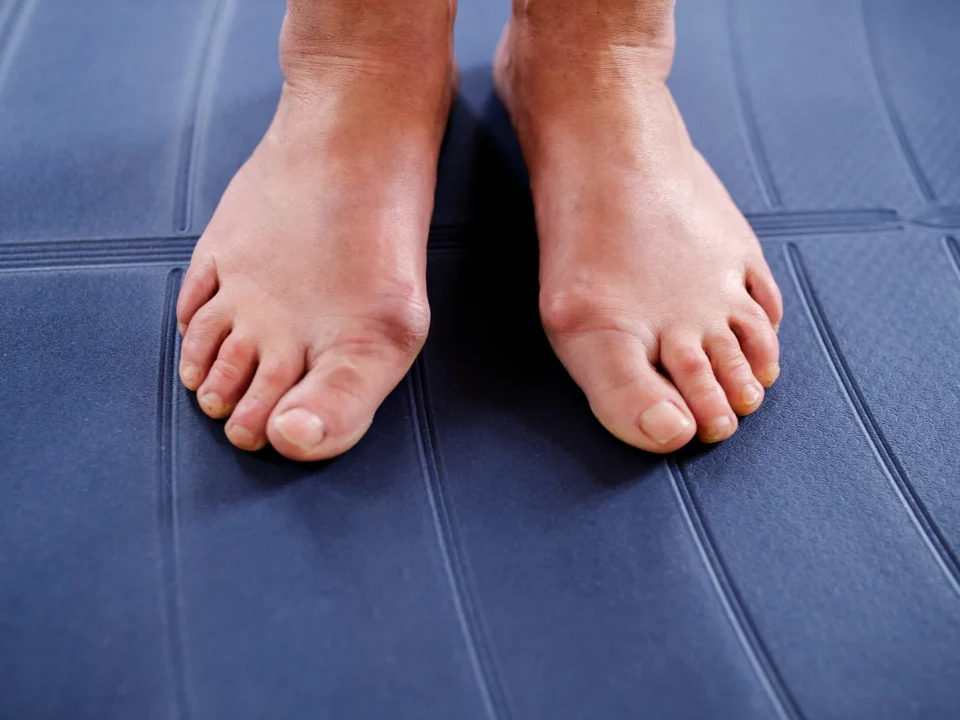
- Changes in foot shape: New bumps, bends, or pressure points need to be reviewed, as they can affect how you walk.
- Persistent pain: Pain that lingers deserves attention.
Reaching out to a foot doctor when you notice these warning signs gives you the best chance of managing these concerns.
Visit a Foot Doctor Today
Diabetes and foot health are closely linked; the changes it brings to nerves and blood flow make daily care a must. Taking care of your feet is key to maintaining overall health and mobility. Watching for signs such as changes in skin condition, alterations in foot shape, and persistent pain can help you detect potential issues early. Regular visits to a foot doctor address current concerns and also prevent future problems. Contact a qualified foot doctor in your area to book your appointment today.