Targeted Exercises For Sciatica Pain Relief At Home
April 10, 2026
Exploring the Latest Advances in Orthopedics
April 10, 2026
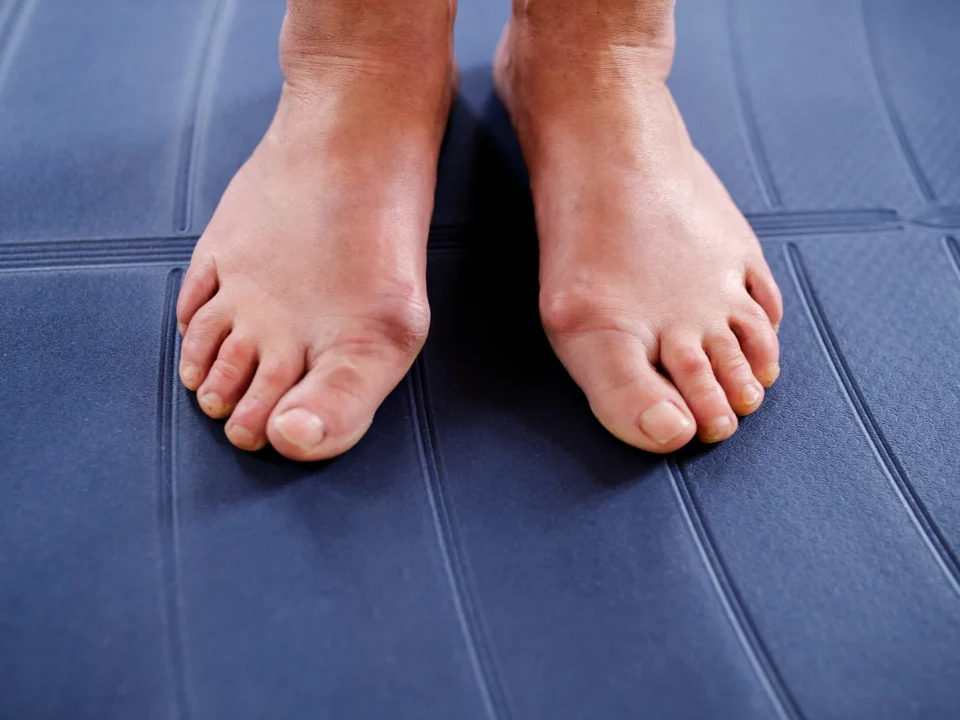
Foot doctors specialize in treating specific physical conditions of the lower extremities for aging adult patients. These medical professionals evaluate various skin issues, and they provide necessary treatments for aging toe joints. Because human bodies change over time, regular medical checkups remain highly beneficial for older adult populations. Here is more information on the role of foot care in older adults:
Daily Inspections
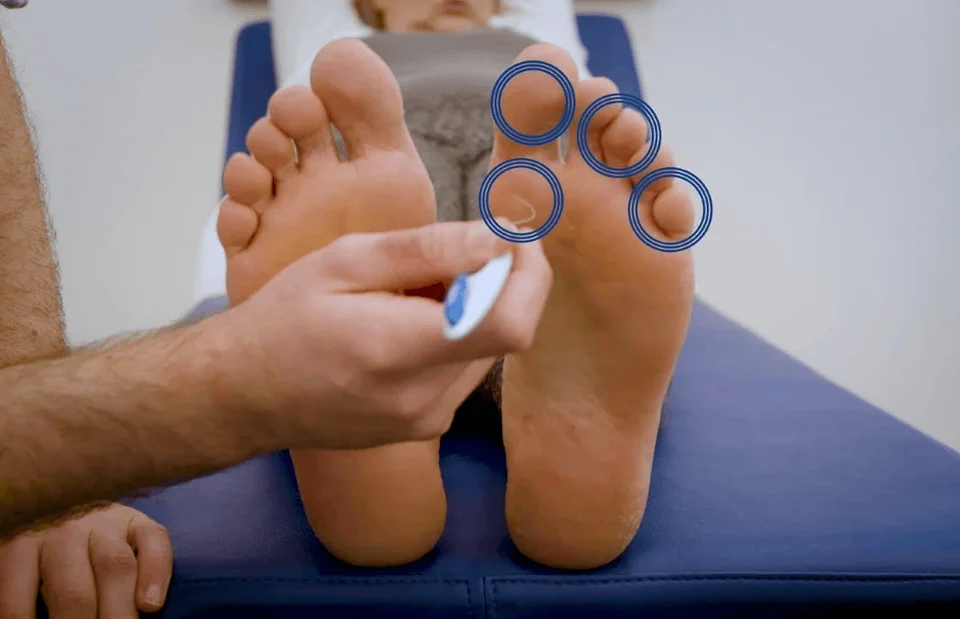
If you manage diabetes at home, you must meticulously check your feet for fresh cuts daily. Severe neuropathy gradually numbs protective nerve pain in the toes and heels over the years. Patients often miss small skin blisters, so daily visual checks easily prevent severe bacterial skin infections. While some small surface wounds seem minor initially, they quickly turn into serious systemic health issues.
Attentive caregivers use long mirrors to check the heels, or they inspect the bottom skin directly. Although reaching the toes takes extreme physical effort, routine observation protects the lower legs from damage. Proper daily skin washing effectively removes potentially harmful surface bacteria from the extremely fragile outer skin. You apply a mild hydrating lotion daily, but you must strictly avoid the spaces between your toes.
Supportive Footwear
Sturdy walking shoes completely protect aging feet from hard indoor floors and hidden outdoor walking hazards. Since older feet naturally lose thick fat padding, individuals desperately need extra sole cushioning for comfort. Thick rubber soles absorb heavy physical shock, and wide toe boxes prevent painful skin rubbing entirely.
Extremely tight-fitting shoes restrict healthy blood flow to the lower leg muscles and toes. When you walk outside on wet spring days, slip-resistant shoes prevent accidental falls on slick pavements. Flimsy house slippers lack proper interior arch support, and they can cause dangerous tripping accidents indoors.
Simple hook-and-loop fabric closures offer a very easy alternative to traditional tied fabric shoe laces. Because stiff arthritic fingers lose fine physical dexterity, tying shoelaces becomes extremely frustrating for older adults. Wearing shoes with cushioned insoles not only helps absorb shock during movement but also reduces pressure on sensitive joints.
Preventive Care
You address minor foot problems promptly to prevent future complications, and regular nail trimming is part of your routine. If you spot a change in foot color, swelling, or temperature, talk to a foot doctor as soon as possible. Paying attention to these warning signs keeps issues from getting worse.
Adjusted Activities
Staying active fosters mobility in older adults, and low-impact exercise is often appropriate for protecting fragile feet. Walking, water aerobics, and gentle stretching work well for many. If you have balance concerns or a history of falls, talk to your provider about activity modifications. Trying new activities safely encourages ongoing movement.
When inflammation or joint pain limits mobility, routine breaks help you avoid soreness and fatigue. You might choose supportive shoes for every type of movement, and sticking to smooth indoor surfaces limits the chance of tripping. Becoming aware of changes in comfort while moving is valuable for preventing further discomfort.
Here’s a quick list of tips to keep activities safe and supportive:
- Select low-impact exercises you enjoy
- Take frequent breaks to rest your feet
- Wear supportive shoes with stable, non-slip soles
Find a Foot Doctor Today
Foot care may become more complex as you age, making professional guidance very helpful. If you notice new issues or discomfort with your feet, reach out to a local podiatrist for support. You develop healthier routines with guidance and regular check-ins. Schedule an appointment with a foot doctor today to address your needs and support your ongoing mobility.