Questions To Ask Your Cardiologist During Your Appointment
May 12, 2026
What Can an Orthopedic Surgeon Do for Me?
May 12, 2026
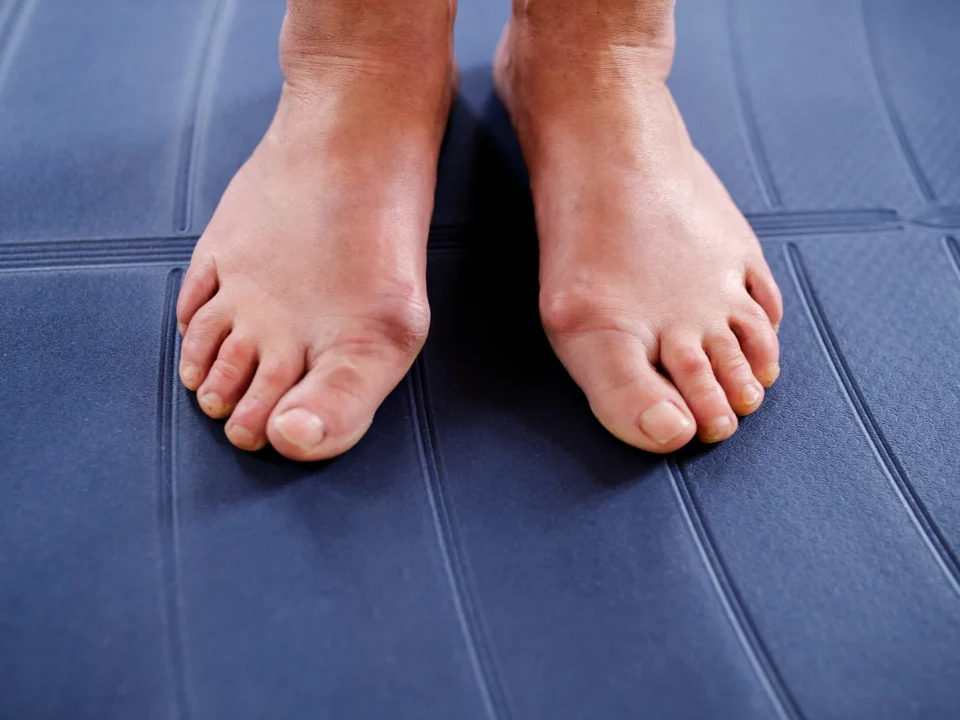
A bunion is a structural issue within the joint at the base of the big toe. This condition creates a prominent bony bump on the inside of the foot, and it often leads to pain during walking. Because the misaligned toe pushes against the other toes, normal shoes often exacerbate the friction and pain caused by bunions. Some individuals prefer to avoid surgery, so they may turn to more conservative treatment options to reduce pain.
Reduced Inflammation
Cold therapy is one option to reduce the inflammation that accompanies bunions. Affected patients can apply ice packs for twenty minutes at a time, and the cold soothes irritated nerve endings. Because gravity can increase blood pooling in the legs and feet, elevating the foot above heart level can reduce fluid accumulation. These two methods most often offer relief for acute pain.
Proper Footwear
When a person with bunions wears narrow shoes, the big toe joint is compressed against the walls of the shoe. Medical professionals often recommend softer shoes with a wide toe box to individuals experiencing pain for their daily use. Proper shoe shape provides proper space for a wider foot, and softer materials allow the shoe to flex in response to the foot while walking. By finding shoes with these features, individuals may notice less friction within their shoes while they walk.
Standard shoe inserts are able to distribute pressure more evenly across the foot, and they stabilize natural foot structures, like the arch and heel, for ease of walking. If a patient has lower arches, some doctors are able to create custom shoe inserts to correct the structure. Silicone bunion pads can protect the skin around the bunion from friction or blistering within a shoe.
Individuals use shoe stretchers to expand the narrow areas of stiffer shoes, like leather dress shoes or athletic shoes. While this method permanetly alter the shape of the shoe, it can offer relief from the pressure an individual may experience around their toe joint. These tools slowly stretch the shoes, and they are able to accommodate the shape of the bunion more easily.
Helpful Medication
Standard pain medication targets pain receptors and inflammation, and it can reduce persistent joint pain. Common pharmaceuticals also block the create of pain-causing compounds in soft tissue. Since these pain medications can cause gastrointestinal side effects, those with bunions should consult a medical provider to discuss dosing protocols regularly.
While standard pain relievers address mild pain, severe joint swelling and pain can require other methods of treatment. A physician can inject a localized corticosteroid to offer more substantial relief to patients experiencing more intense pain. A synthetic hormone is injected into the joint to reduce inflammation in the area, and the body reacts to lower the immune pain response. The joint may also be numbed with an anesthetic injection.
Consult a Podiatrist for Bunions
Before considering surgery for a bunion, a specialized doctor should diagnose any irregularities in the structure of the foot. The podiatrist is trained with methods to address bunion pain, and the patient can opt for noninvasive treatment options. Consult with a podiatry clinic to learn about options that fit well with your situation and symptoms.