Recognizing the Symptoms of Rotator Cuff Tear
June 10, 2026
The Comprehensive Approach of Internal Medicine to Patient Care
June 10, 2026
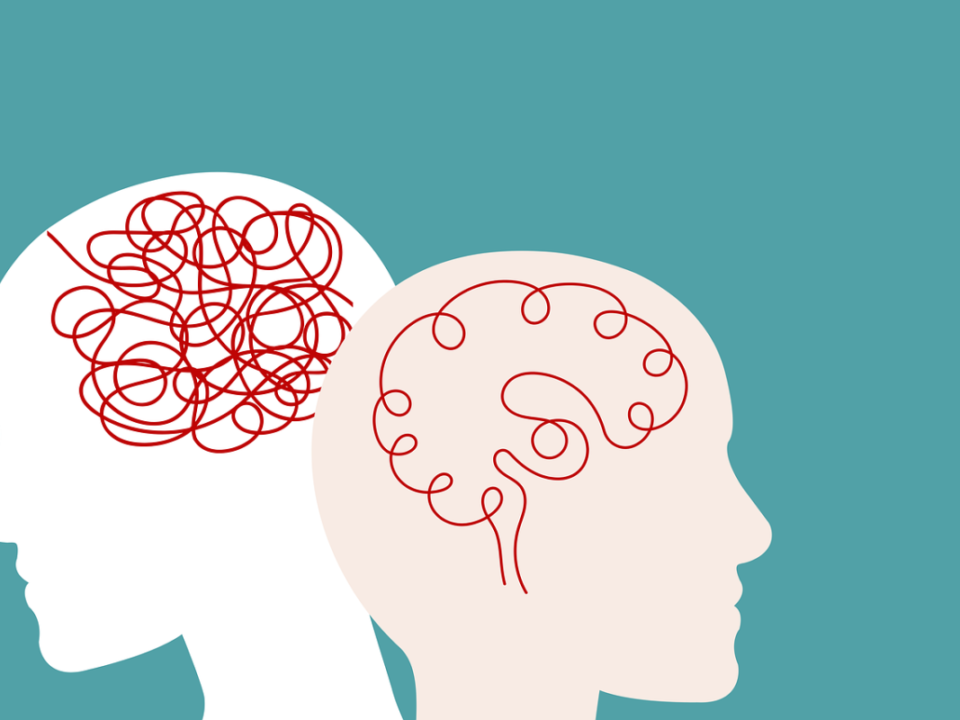
Attention-deficit/hyperactivity disorder, often shortened to ADHD, is a neurodevelopmental condition that affects attention, activity levels, and impulse control. The condition often appears in childhood, and it can continue into adulthood for many people. Although symptoms vary from person to person, common signs include trouble sustaining focus, restlessness, and difficulty organizing tasks. Treatment plans differ widely because each case presents a distinct pattern of symptoms.
Focus Is Possible
Focus with ADHD can be developed through structure, repetition, and consistent routines. People with this condition often find that written schedules reduce missed tasks, and they may use timers to break work into shorter periods. When the surrounding environment removes distractions such as background noise, sustained attention becomes easier to maintain. Small adjustments to daily habits can shape steady patterns of concentration over time.
Specific tools support this process in measurable ways. A workspace with no audio distractions often limits interruptions, and task lists help track progress through each step. While no single method fits every individual, combining several strategies tends to produce more reliable results than relying on one alone. Regular review of these methods allows people to refine the approaches that match their needs.
Medication Helps
Medication is one component that can be integrated within a broader management plan. Stimulant and non-stimulant medications can be prescribed by a licensed clinician after a full evaluation, and after determining that the individual could benefit from them. Although medication affects each person differently, it is often used to reduce inattention and impulsivity during daily activities. Dosage adjustments follow regular monitoring, and side effects are often tracked at scheduled appointments.
Therapy Often Works
Therapy addresses the behavioral patterns linked to ADHD, and it uses specific skills to teach planning, organization, and emotional regulation. Cognitive behavioral therapy focuses on changing unhelpful thought patterns. When a structured therapy plan is followed across several weeks, many individuals report clearer routines and fewer missed responsibilities. A trained therapist guides each session toward defined goals.
Several therapy formats exist for different age groups and needs. Behavioral coaching supports adults who manage work and home responsibilities, and parent training helps caregivers respond to a child’s symptoms with consistent methods. Because therapy depends on regular practice between sessions, progress reflects the effort applied outside the clinic as much as the work completed within it. Sessions may be scheduled more frequently at the start, then become more spaced out over time.
Group therapy offers an additional option for some individuals. Group settings allow members to share strategies, and they provide structured feedback from peers who face similar challenges. While group formats suit certain people more than individual sessions, a clinician helps determine which arrangement matches a specific situation. The choice depends on factors such as age, symptom severity, and personal preference.
Contact an ADHD Specialist
Managing ADHD involves a combination of several treatments tailored to each person. A licensed specialist often conducts a thorough evaluation at the beginning of treatment, and that assessment guides the selection of appropriate methods. Since these plans vary between individuals, professional guidance tracks how each individual responds to certain methods. Contact an ADHD specialist to learn how you can manage your ADHD symptoms today.