
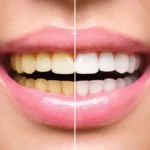
Exploring the Different Methods of Teeth Whitening
May 15, 2026
Navigating the Challenges of Pregnancy
May 16, 2026
Skin health requires routine attention to identify physical anomalies early. Infections affecting the skin appear in many forms and result from diverse environmental factors or microscopic pathogens. Fungal organisms, such as dermatophytes or certain yeasts, live naturally in the surrounding environment. These organisms thrive under specific physical conditions, leading to noticeable structural changes on the surface of the skin, scalp, or nails. Prompt identification dictates the trajectory of the healing process. Dermatologists possess the knowledge to distinguish between ordinary rashes and specific infectious conditions.
What Are Skin Infections?
Fungal skin conditions are a common cause of dermatologic issues, and the medical term tinea categorizes many of these conditions based on their specific location on the human body. Tinea corporis refers to ringworm affecting the general body surface. Tinea pedis, commonly known as athlete’s foot, targets the feet. Other variations include tinea cruris affecting the groin area and tinea capitis impacting the scalp and hair follicles. Onychomycosis involves fungal overgrowth deep within the nails. Public showers, swimming pools, and shared locker rooms provide warm, moist settings where fungi propagate rapidly. Direct physical contact with contaminated surfaces, affected individuals, or animals facilitates the transfer of these organisms from one host to another.
What Are the Symptoms?
Manifestations of skin infections vary widely depending on the specific organism and the affected body area. Tinea corporis typically presents as circular, red, scaly patches exhibiting a defined border and a clearer center. Athlete’s foot can create macerated skin between the toes or cause itchy blisters along the arches. A fine scale might also develop across the entire soles of the feet. Tinea cruris usually results in scaly red plaques, situated within the physical folds of the groin.
When tinea capitis occurs, individuals might experience diffuse scaling, patches of hair loss, or small black dots on the scalp. This specific manifestation appears most frequently in children. Nail-based infections alter the structural appearance of the nail plate. Affected nails typically thicken, turn yellow or brown, and accumulate crumbly debris underneath the visible surface. Tinea versicolor alters the normal pigmentation of the skin and produces light or dark scaly patches on the shoulders, chest, and back.
How Are They Treated?
A clinical evaluation begins with a thorough examination of the affected physical area. The dermatologist may examine a small scraping of the skin under a microscope and detect fungal elements. A fungal culture can be ordered to identify the exact organism responsible for the rash. Proper clinical diagnosis separates real fungal issues from unrelated conditions, such as eczema.
Management options depend on the physical location and severity of the condition. Topical antifungal medications act as a primary intervention for localized infections and are applied directly to the affected regions for several weeks. Infections involving the scalp or the nails may require oral antifungal medications, since topical treatments struggle to penetrate the hair follicles effectively.
Oral therapies can require close medical supervision. Providers monitor liver function and issue baseline laboratory tests before initiating certain oral medications. Treatment for nail issues requires time, as nail growth from the matrix takes many months to complete.
Meet With a Dermatologist
A medical professional offers specific guidance for managing stubborn skin issues. When over-the-counter creams fail to clear a rash after several weeks, a formal evaluation is the recommended next step. Establishing preventative habits protects against future recurrences, and dermatologists counsel patients to keep their skin clean and dry, particularly in naturally folded areas like the groin or between the toes. Consistent self-care combined with professional medical guidance keeps the skin healthy and resilient.



