How to Protect Your Eyes from Digital Screens
November 4, 2025
Natural Ways to Strengthen Bones and Joints
November 4, 2025
Our eyes are one of the most precious gifts we have, yet many people take their eye health for granted until problems arise. Just like we visit the dentist for oral health or the doctor for physical checkups, our eyes also deserve regular attention. Eye exams are not just for people who wear glasses — they are vital for everyone, regardless of age, because they help detect potential problems early and ensure healthy vision for life.
In this article, we’ll explore why regular eye exams matter, how often you should get them, what happens during an eye exam, and why they’re important for people of all ages — from children to seniors.
1. Why Eye Exams Are So Important
Your vision affects almost every part of your daily life — from reading, driving, and working to recognizing faces and enjoying nature. Many people believe they only need an eye exam when they notice a problem, but this is not true. Some eye conditions develop silently, without noticeable symptoms, until they cause significant damage.
For example:
- Glaucoma can damage your optic nerve without pain or early symptoms.
- Diabetic retinopathy can affect your sight long before you notice any changes.
- Macular degeneration gradually reduces central vision, often going unnoticed in the early stages.
Regular eye exams help detect these conditions early, when they are easier to treat and before they cause permanent vision loss. Early detection can literally save your sight.
2. Eye Exams Aren’t Just About Vision — They’re About Health
An eye exam doesn’t just check how well you see; it also gives a window into your overall health. The eyes are the only place in the body where doctors can see blood vessels, nerves, and tissues directly — without surgery. That’s why an optometrist or ophthalmologist can sometimes spot signs of systemic diseases such as:
- Diabetes
- High blood pressure
- Autoimmune disorders
- High cholesterol
- Even certain brain conditions
Many people have discovered health problems through a routine eye checkup before any other symptoms appeared. So, visiting an eye doctor can do more than protect your sight — it can help protect your entire body.
3. Eye Exams for Children: The Foundation of Healthy Vision
Children rely heavily on their vision for learning, playing, and exploring the world around them. Poor vision can affect their school performance, social development, and confidence. Unfortunately, children often don’t realize they have a vision problem — they may think everyone sees the world the same way.
Why kids need regular eye exams:
- To detect nearsightedness (myopia), farsightedness (hyperopia), and astigmatism
- To identify lazy eye (amblyopia) or crossed eyes (strabismus)
- To ensure the eyes are developing properly
When to schedule eye exams for kids:
- First exam: at 6 months old
- Next exam: at age 3
- Before starting school: around age 5 or 6
- After that: every 1–2 years unless otherwise recommended
With today’s digital learning tools and increased screen time, regular exams are more important than ever. Detecting vision issues early helps prevent long-term problems and supports healthy learning and development.
4. Eye Exams for Adults: Maintaining Clear Vision and Preventing Problems
For adults, especially those who use computers or digital screens frequently, eye strain and vision changes are common. Regular eye exams can help identify presbyopia (age-related near vision loss), digital eye strain, or dry eye syndrome, which are increasingly common in working adults.
Adults aged 18–60 should get a comprehensive eye exam every two years, and annually after age 60. However, you might need more frequent exams if you:
- Have a family history of eye disease
- Have diabetes or hypertension
- Experience blurry vision, headaches, or floaters
- Spend long hours in front of screens
Regular checkups help ensure that your prescription is up to date and that your eyes remain healthy despite modern lifestyle challenges.
5. Eye Exams for Seniors: Protecting Vision in Later Life
As we age, our risk for eye diseases increases. Many vision problems associated with aging — like cataracts, macular degeneration, glaucoma, and diabetic eye disease — can lead to blindness if untreated.
For older adults, regular eye exams are essential to:
- Monitor for signs of cataracts and glaucoma
- Check for retinal damage due to diabetes or hypertension
- Evaluate peripheral and depth vision to prevent falls or accidents
Even if your vision seems fine, yearly exams can catch subtle changes that you may not notice yourself. Maintaining good vision supports independence, safety, and quality of life in older age.
6. What to Expect During an Eye Exam
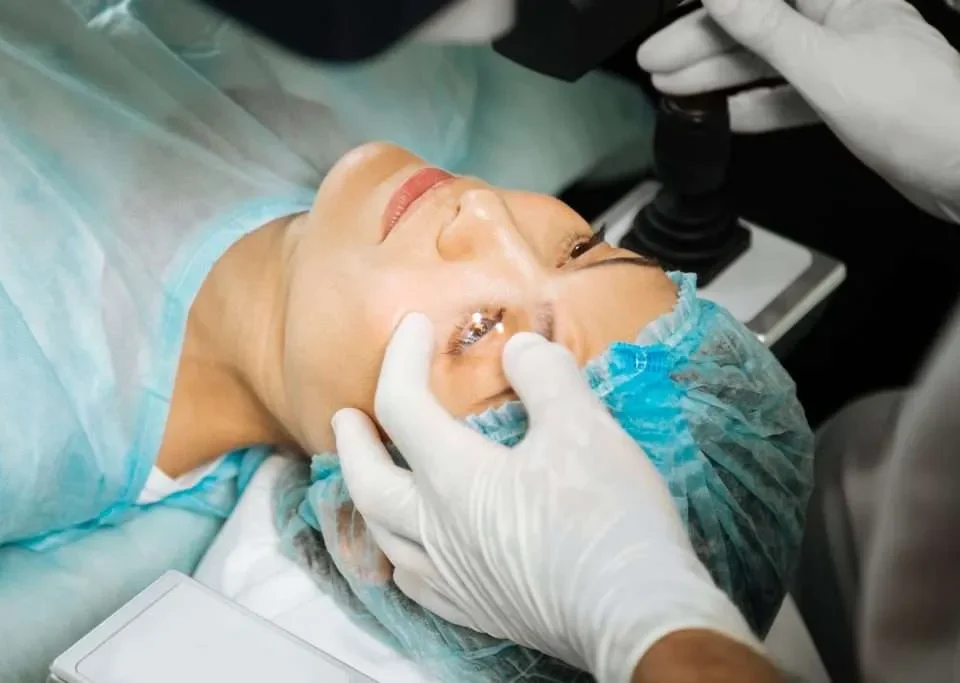
A comprehensive eye exam is quick, painless, and very informative. It usually includes:
- Vision test: Reading charts to check near and distance vision.
- Refraction test: To determine your prescription for glasses or contact lenses.
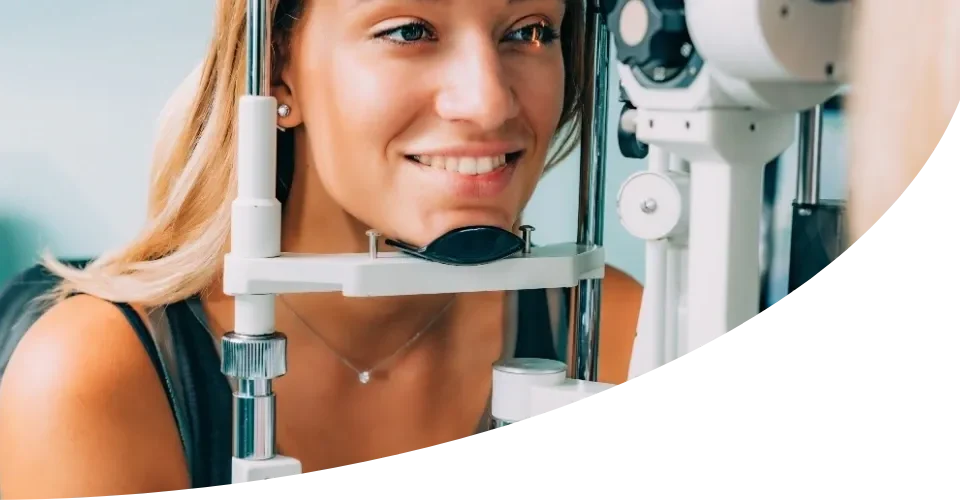
- Eye health evaluation: The doctor examines the retina, optic nerve, and blood vessels using specialized equipment.
- Pressure test: To check for glaucoma.
- Pupil dilation: Sometimes, drops are used to widen your pupils for a better internal view of your eye.
These tests together give a clear picture of your eye health and help your doctor spot even the tiniest signs of trouble early on.
7. How Often Should You Have an Eye Exam?
Here’s a general guideline recommended by eye health experts:
| Age Group | Frequency |
|---|---|
| 0–2 years | At 6 months |
| 3–5 years | At least once before school |
| 6–18 years | Every 1–2 years |
| 19–39 years | Every 2 years |
| 40–59 years | Every 2 years |
| 60+ years | Every year |
However, if you have existing vision issues, diabetes, or a family history of eye disease, your eye doctor may recommend more frequent visits.
8. Tips to Keep Your Eyes Healthy Between Exams
Regular exams are crucial, but daily habits also play a big role in protecting your vision. Here are some simple but effective tips:
- Follow the 20-20-20 rule: Every 20 minutes of screen time, look at something 20 feet away for 20 seconds.
- Eat eye-friendly foods: Include leafy greens, carrots, citrus fruits, and fish rich in omega-3s.
- Wear sunglasses: Protect your eyes from harmful UV rays when outdoors.
- Stay hydrated: Prevent dry eyes by drinking plenty of water.
- Don’t smoke: Smoking increases the risk of cataracts and macular degeneration.
- Use proper lighting: Avoid reading or working in dim light to reduce strain.
- Keep your lenses clean: Whether glasses or contacts, hygiene is essential.
Good habits plus regular checkups can make a huge difference in long-term eye health.
Conclusion
Your eyes deserve the same care and attention as any other part of your body. Regular eye exams are not just about getting glasses — they’re about preserving your vision, detecting hidden diseases, and maintaining overall health. Whether you’re a child, an adult, or a senior, taking the time for regular eye checkups can help ensure a lifetime of clear, healthy vision.
So, don’t wait for a problem to appear — schedule your next eye exam today and keep your world bright and clear.