How Podiatrists Help Manage Ankle Pain
May 13, 2026
The Role of Regular Pap Smears in Women’s Health
May 13, 2026
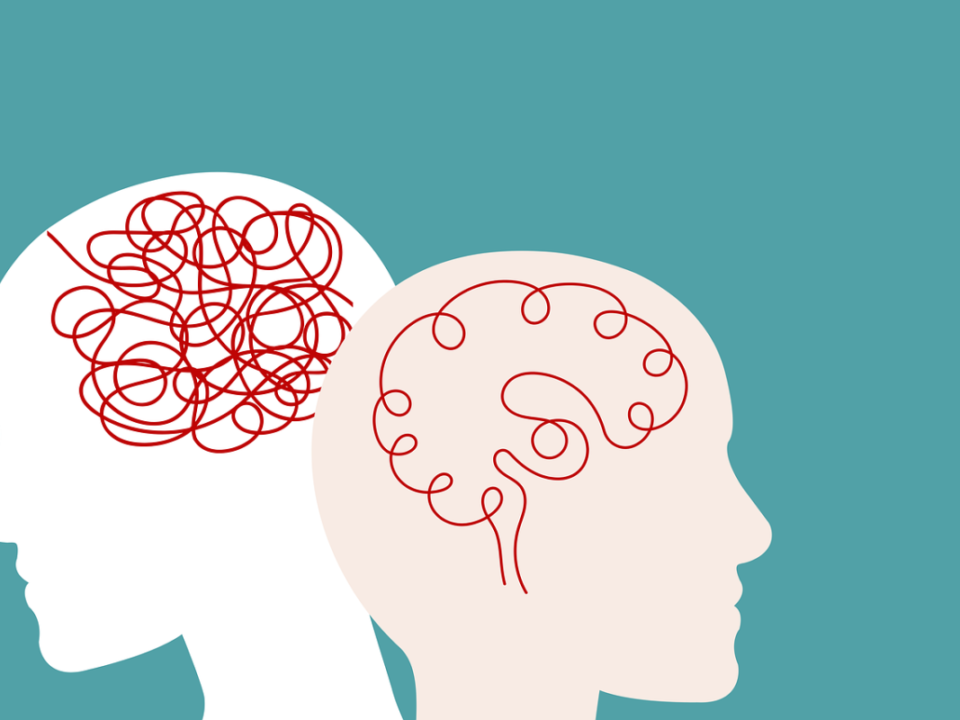
When physical tension accumulates in the body, it can manifest as severe head pain. Migraines have various triggers, and each person’s experience with migraines varies. A migraine may include visual auras, making the individual sensitive to light and sound. Stress is one migraine trigger that you may be able to manage with some lifestyle changes. Here is more information about how stress and migraines are connected:
Defining Migraine Characteristics
Healthcare providers distinguish migraines from standard tension headaches. A standard headache causes mild discomfort, but a migraine produces severe throbbing pain. If patients experience extreme light sensitivity or prolonged nausea, they likely suffer from these neurological events. Migraines can be a chronic condition if they occur often enough.
While standard headaches remain localized, the more severe episodes typically affect one side of the head. Visual disturbances sometimes precede the onset of physical pain. Doctors call these preliminary visual changes an aura, and they signal an impending attack. Because these symptoms escalate rapidly, early identification improves the effectiveness of clinical treatments.
Identifying Common Stressors
Psychological strain originates from numerous external sources, and it triggers complex physiological reactions throughout the body. Intense work deadlines create significant mental pressure for many adults. Because modern routines may be more demanding than in the past, individuals accumulate tension from various daily activities.
Common triggers include the following sources:
- Professional or academic performance deadlines
- Family or relationship conflicts
- Major life transitions or sudden routine disruptions
Managing stress can help patients to avoid stress-related migraines.
Understanding Stress Effects
Stress occurs when the brain reacts to perceived threats, and it releases certain chemical compounds into the bloodstream. As these reactive chemicals flood the system, blood vessels in the brain undergo rapid structural changes. This sudden vascular fluctuation can cause intense head pain. Because the nervous system becomes extremely sensitized, normal sensory inputs, such as overhead lights or normal volume sounds, feel overwhelmingly painful.
Managing Stress and Migraines
Since these neurological episodes disrupt daily functioning severely, proactive lifestyle adjustments can help manage stress and avoid some episodes. Patients practice structured deep breathing exercises, or they engage in regular physical aerobic activity. Consistent sleep schedules help regulate the nervous system and allow the body to rest.
Doctors may recommend the following lifestyle habits to manage stress:
- Maintaining proper bodily hydration levels
- Practicing focused meditation or mindfulness
- Eating nutritious, balanced meals regularly
- Getting enough consistent, high-quality sleep
If symptoms persist despite these fundamental lifestyle changes, targeted professional medical intervention can help. A migraine specialist offers treatments to reduce the pain of migraines, such as Botox injections. These injections relax the muscles in the face and head four times a year; these treatments relieve pain and help prevent future attacks.
Learn More About Migraine Management
Psychological tension acts as a primary catalyst for severe, debilitating head pain. Proper trigger identification can help you avoid migraines, and dedicated relaxation techniques serve as preventative tools for stress-related headaches. If you typically experience migraines 15 times in a month, you may be a candidate for treatment. To learn more about migraine management and symptoms, consult a migraine and headache specialist near you.