
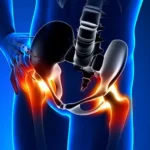
Hip Pain and Its Connection to Overall Mobility
May 13, 2026
The Urologist’s Approach to Treating Urinary Incontinence
May 14, 2026
Cosmetic skin care includes office-based treatments that address tone, texture, laxity, and surface damage. Some procedures remove damaged layers, and others trigger a repair response. Since each method works in a different way, treatment plans vary by skin type, concern, and recovery limits. Here is more information on effective skin care treatments:
Chemical Peels
Chemical peels use acids to loosen and remove the outer skin layers. Light peels target mild discoloration and rough texture, and medium peels reach deeper pigment changes. Since formulas differ in strength, a clinician selects the peel based on the patient’s skin history.
During this cosmetic skin care treatment, the surface is cleaned first, and the solution is applied in a controlled pattern. Stinging is a typical side effect, but it is mild. Since depth affects recovery time, redness and flaking may last from several days to more than a week.
Standard peel types include:
- Glycolic acid
- Salicylic acid
- Trichloroacetic acid
After a peel, sun exposure raises the risk of uneven pigment, so daily sunscreen matters. You need a simple routine. When the skin feels tight or dry, a gentle cleanser and bland moisturizer reduce added irritation.
Laser Treatments
Laser treatments use focused light energy to target pigment, blood vessels, or water in the skin. Ablative lasers remove thin surface layers, and non-ablative lasers heat deeper tissue. Because settings vary widely, a full skin assessment guides treatment choice.
Recovery depends on the device used. Some treatments leave mild redness, but stronger resurfacing creates swelling and crusting. If you have melasma or deeper skin tones, your provider may adjust settings to lower pigment risk.
Laser visits may start with these steps:
- Skin evaluation
- Photos for tracking
- Cream for numbness or cooling
- Aftercare instructions
Skin Tightening
Skin tightening treatments heat deeper tissue to affect collagen structure. Radiofrequency, ultrasound, and infrared devices are common options, and each reaches different depths. Since heat delivery changes results and downtime, device selection depends on the laxity level and treatment area.
Mild swelling may follow treatment, and tenderness sometimes appears for a short period. Results develop over time. As collagen remodels in the months after treatment, changes often appear gradually rather than all at once.
Areas often treated include the lower face, jawline, neck, and around the mouth. Some devices also treat body skin, but treatment plans differ by thickness and laxity. Since repeated sessions are often used, timing and spacing matter.
Microneedling
Microneedling uses fine needles to create controlled micro-injuries in the skin. The device moves across the treatment area, and pinpoint bleeding may occur. Since the channels close quickly, post-treatment products must be chosen with care.
This treatment is used for acne scars, enlarged pores, and mild texture changes. Redness is expected, and the skin may feel warm. When depth increases for scar work, recovery tends to last longer.
Schedule Cosmetic Skin Care
A cosmetic skin care plan works best when it matches your skin findings, schedule, and tolerance for downtime. You have several treatment options, and each one fits a different goal. Since reactions, risks, and aftercare differ, book a consultation to review the right next step for your skin.



