
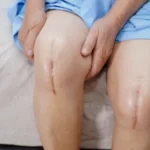
Understanding the Recovery Timeline After Knee Replacement Surgery
May 12, 2026
Choosing Between Urgent Care and Your Primary Care Provider
May 12, 2026
A sports injury can occur during training, competition, exercise, or everyday physical activity. While some injuries may improve with rest and basic care, others require professional evaluation to prevent further damage and support proper recovery. Here are some signs that indicate the need to seek help for a sports injury:
Severe Pain or Swelling
Severe pain is a clear indicator of a significant problem following a sports injury. Your nervous system sends strong pain signals to your brain, and this mechanism alerts you to tissue damage. You must pay attention to sudden, sharp pain that stops you from continuing your activity. Swelling happens when fluid accumulates in the damaged tissues. Blood vessels expand to bring white blood cells to the area, causing visible inflammation and pressure. Pain and swelling often appear together after an acute physical trauma. Ice and rest can reduce minor inflammation, but severe cases require a doctor’s review.
Limited Movement
A severe sports injury often restricts your normal range of motion. You may experience this restriction immediately, or it could develop gradually. The following points highlight specific movement issues that require medical attention:
- Inability to bend a joint: You cannot bend or straighten your knee, elbow, or other joints fully.
- Weight-bearing difficulty: You feel sharp pain when you put weight on your leg or foot.
- Joint instability: Your joint feels loose and may give way when you try to use it.
- Muscle weakness: You lose normal strength in your arm or leg, which makes basic tasks difficult.
These movement limitations indicate structural damage to your muscles, ligaments, or tendons. Make sure to contact a healthcare provider to receive a proper diagnosis.
Persistent Symptoms
A chronic sports injury develops slowly over time, and the repetitive stress breaks down your tissue fibers. You may feel a dull ache after exercise, which gradually becomes constant and disruptive. Persistent symptoms require medical evaluation to prevent long-term joint or tissue deterioration. Some athletes try to push through chronic pain, but this approach often creates secondary injuries. You may alter your running stride to protect a sore knee, which then damages your hip. A doctor can analyze your movement patterns and identify the root cause of the lasting pain. They use diagnostic tools such as ultrasound to view the tissues, and they develop a precise treatment protocol.
Serious Warning Signs
Certain signs after a sports injury indicate an immediate need for emergency medical care. You should not wait to see a doctor if you experience any severe trauma indicators. Pay close attention to the following symptoms:
- Visible deformities: A bone or joint that looks distinctly out of place or unusually angled.
- Numbness or tingling: You lose feeling in your limb, suggesting severe nerve compression.
- Popping sounds: You hear a loud snap or pop during the exact moment of injury.
- Severe discoloration: Your skin turns deeply blue or purple, which often indicates significant internal bleeding.
A clinical professional must evaluate these severe signs immediately to prevent permanent physical damage. They will apply the correct medical protocols to stabilize the injured area.
Schedule Your Sports Injury Appointment
A sports and exercise injury requires careful monitoring and prompt medical care when severe symptoms appear. Patients should contemplate a professional evaluation when they experience severe pain, limited movement, persistent aches, or visible deformities. Early clinical intervention promotes proper tissue healing and prevents chronic physical dysfunction. Contact a trusted healthcare provider near you to schedule your appointment for a sports injury today.





