
The Benefits of Ketamine Therapy in Treating PTSD
May 28, 2026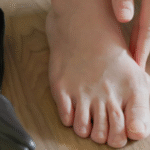
Understanding the Causes and Treatments for Bunions
May 28, 2026
Asthma is a respiratory condition that affects the airways, and it may change how a child breathes during daily activities, sleep, exercise, or respiratory illness. Parents and caregivers should watch for clear breathing changes and record any patterns. Sharing this information with a qualified healthcare provider helps support accurate evaluation and treatment planning. Here’s information about several signs and triggers associated with childhood asthma:
Observing Breathing Changes
Children may show respiratory changes in several visible or audible ways. Repeated coughing fits are one sign to document; pay specific attention when they appear without a clear short-term illness. Some children cough more during activity, after laughing, at night, or shortly after waking.
Wheezing is another sign caregivers may notice. It sounds like a high-pitched whistle during breathing, especially when the child breathes out. Not every child with breathing symptoms wheezes, and not every wheeze points to asthma, so a clinical review is key. Watch the child’s breathing pattern as well. Fast breathing, pauses during play, or visible chest movement may provide helpful information. In younger children, the skin around the ribs or neck sometimes pulls inward during harder breathing. Infants may also pause during feeding when breathing requires more effort.
Tracking Symptom Patterns
A single episode of coughing or noisy breathing does not provide enough information for a clinician; patterns give the medical team more useful context. Track when symptoms occur, how long they last, and what the child was doing before they started. Activity-related symptoms deserve careful notes. A child may stop running sooner than usual, cough during gym class, or need longer breaks after climbing stairs. Write down the setting and duration rather than making assumptions about the cause. Nighttime symptoms also matter in a symptom log. Record whether coughing wakes the child, appears before sleep, or occurs in the early morning. Short notes taken over several days or weeks can help a clinician identify trends during the appointment.
Identifying Possible Triggers
Certain environments or activities sometimes appear before breathing symptoms. These triggers vary by child, so observation should be specific and factual. Helpful details include location, weather, recent illness, and exposure to strong smells or airborne particles.
Possible items to document include:
- Pollen, dust, mold, or pet dander exposure
- Exercise or active play
- Smoke, strong odors, sprays, or chemical fumes
- Recent colds or other respiratory infections
- Cold air, dry air, or sudden weather changes
After symptoms occur, note what changed before the episode. A child may cough after visiting a home with pets or after outdoor play on a high-pollen day. This information does not confirm a diagnosis, but it gives the clinician a clearer starting point.
Seeking Clinical Review
Caregivers should schedule a clinical evaluation when breathing symptoms recur, interfere with routine activity, or appear with visible breathing effort. A healthcare provider may review the child’s history and ask about family respiratory conditions; they’re also able to examine the lungs. Bring written notes to the visit. Include dates and times, symptom descriptions, possible triggers, and any activity limits you observed; clear records support a more organized discussion.
For older children, clinicians may use spirometry to measure how much air the child breathes out and how quickly the air moves. Younger children sometimes need different assessment methods because standard breathing tests require specific instructions and cooperation. The provider may also discuss follow-up monitoring, environmental adjustments, or referrals when appropriate.
Seek urgent medical attention right away if a child has severe breathing difficulty. Bluish lips and trouble speaking can be signs of significant respiratory distress. Emergency symptoms require prompt evaluation by qualified medical professionals.
Find Reliable Asthma Treatment
Recognizing possible signs of asthma in children begins with careful observation. Repeated coughing, wheezing, activity-related breathing changes, and trigger patterns all provide key information for a clinical visit, so keep clear notes. Contacting a qualified provider for assessment gives you access to various treatment options, including medication. Schedule a respiratory evaluation for your child today.