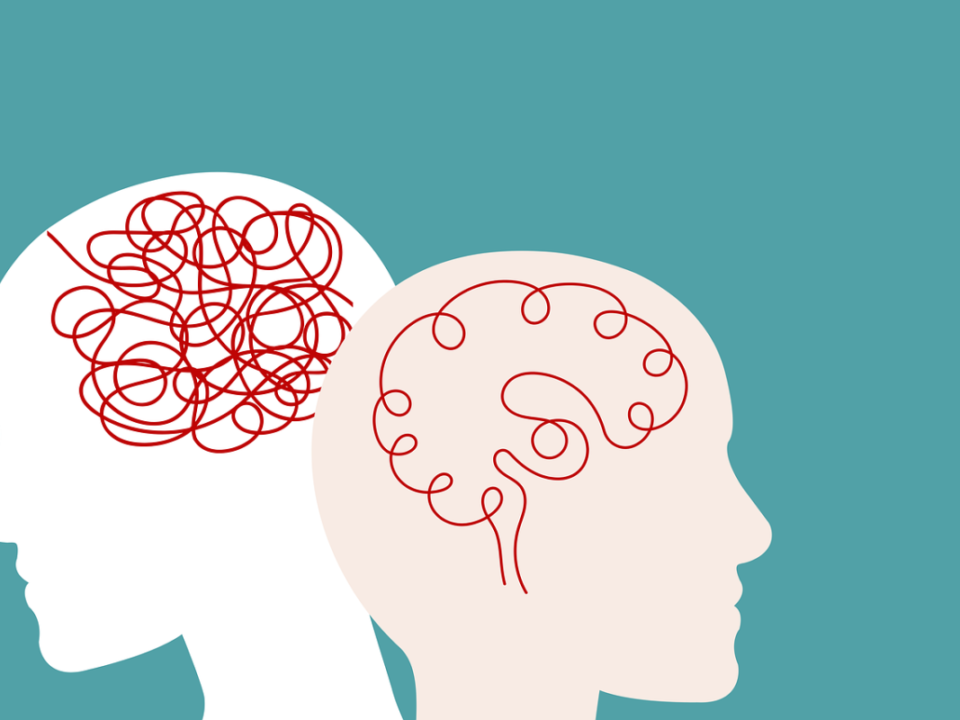
Understanding the Impact of Anxiety on Daily Life
June 3, 2026
Combining Radiation and Chemotherapy for Cancer Treatment
June 4, 2026
While many people seek mental health care, some aren’t sure where to start. Life coaching is one option, and it plays a specific role in a broader care plan. It doesn’t replace clinical treatment, but it can work alongside it. Understanding what life coaching offers helps you decide if it fits your needs.
Clarify What Coaching Does
Life coaching focuses on goals, structure, and momentum. A life coach helps you see where you are now, so map a path to where you want to be. This is practical, action-oriented work centered on habits, routines, and decision-making. The work stays focused on mental health care, building toward outcomes you choose. If you have a therapist or medication manager, a life coach can reinforce progress in daily life. A coach respects those boundaries and refers you to clinical support when your needs fall outside their scope. This clarity protects you, and it keeps each support working as intended.
Build Structure and Accountability
You set goals, and your coach holds you to them. This structure is especially useful during life transitions, and without it, even strong intentions can stall. Life coaching also helps you build habits. Coaching offers practical support by:
- Providing accountability during transitions
- Tracking your progress so habits stay consistent and results build over time
- Reducing overwhelm for people managing anxiety or ADHD
- Helping you adjust the plan after setbacks so you keep moving rather than starting over
Sessions are typically goal-focused and action-driven. Your coach asks direct questions, and you work through specific steps between meetings. This is different from processing past experiences in psychotherapy, since it’s about building what comes next.
Support Progress Through Transitions
Starting a new job, becoming a parent, recovering from loss, or rebuilding after a health challenge all require adjustment. Life coaching provides a structured space to navigate these changes. You get clarity on priorities, and you develop a realistic plan. Coaching also supports people stable in their mental health care who want more from daily life. If you’re managing depression with therapy and medication, you may still be stuck in routines or unsure of your next steps. A life coach helps you move forward in those areas. Goal-setting in coaching is specific and measurable. This kind of clarity builds confidence, and it gives you a framework you can return to. Over time, you develop stronger self-direction. Since you also learn to break large goals into manageable steps, that skill stays with you long after the transition ends.
Discuss Mental Health Care Today
It works best when you’re ready to take action, so decide you want to stay on track. Life coaching is a practical tool, not a cure. If you’re navigating a transition, building new habits, or working toward goals that seem out of reach, life coaching may be a strong fit. Think about where you are stuck, and decide whether structured guidance could help. Reaching out to a life coach is a concrete first step. It starts with simply asking whether this kind of support is right for you.