
Stem Cell Therapy as an Alternative to Surgery for Back Pain
June 10, 2026
When To Visit a Medical Diagnostic Imaging Center
June 10, 2026
Pain management covers a range of methods used to reduce discomfort that stems from injury, illness, or chronic conditions. Some patients turn to options beyond medication when standard treatments fall short, and these alternatives target the source of pain through different mechanisms. Although each method works in a distinct way, the goal is to lower pain levels and restore physical function.
Bursa Injection
A bursa is a small, fluid-filled sac that cushions the space between bones, tendons, and muscles near a joint. When a bursa becomes inflamed, the surrounding area can swell, and movement may become limited. A bursa injection delivers anti-inflammatory medication directly into the affected sac to reduce swelling, thereby aiding in pain management. The procedure is brief, and many patients return to normal activity on the same day.
The injection usually combines a corticosteroid with a local anesthetic for targeted relief to the joint. A physician often uses ultrasound guidance to place the needle with accuracy, and this lowers the chance of misplacement. Because the medication acts on a specific location, the treatment focuses on the inflamed joint rather than the entire body.
Radiofrequency Ablation
Radiofrequency ablation uses heat generated by radio waves to interrupt pain signals from specific nerves. A thin needle is positioned near the targeted nerve, and an electrical current produces the heat that disrupts signal transmission. This method commonly addresses chronic pain, most often in the back, neck, and joints. The effect can last several months, and follow-up sessions may be scheduled if pain returns.
Before the main procedure, a diagnostic nerve block confirms which nerve causes the discomfort. The physician applies a numbing agent during treatment to limit sensation, and patients remain awake throughout the process. Although the procedure targets nerve activity, it does not change the structure of surrounding tissue. Recovery time is generally short, and most patients resume light activity within a day or two.
Regenerative Treatments
Regenerative treatments aim to support the body’s natural repair processes rather than mask the sensation of pain. These therapies include platelet-rich plasma and stem cell applications, and both use materials drawn from the patient’s own body. A sample is collected, processed, and then introduced into the damaged area to encourage tissue repair. The approach focuses on the underlying tissue rather than the nerve signals alone.
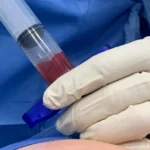
Platelet-rich plasma involves drawing a small amount of blood, and the clinician separates the platelets through a spinning process. The concentrated platelets are then injected into the injured site, where growth factors may assist with healing. Because the material originates from the patient, the risk of an adverse reaction stays low.
Stem cell therapy follows a similar principle but draws cells capable of developing into different tissue types. A physician collects these cells from bone marrow or fat, processes the sample, and delivers it to the affected region. The method targets joints, tendons, and other structures that struggle to repair on their own.
Visit a Pain Management Clinic
Chronic pain often causes changes in how a person is able to handle daily life, so many people prioritize treatment. When traditional methods fail to offer relief, alternative treatments often help to treat lasting discomfort. Contact a pain management treatment center to schedule an appointment to discuss new options for your chronic pain.





