Best Natural Ways to Boost the Immune System Against Allergies
November 4, 2025
Healthy Diet Plan for People with Heart Disease
November 4, 2025
High blood pressure, also known as hypertension, is one of the most common health problems affecting millions of people worldwide. It is often called the “silent killer” because it can quietly damage your heart, blood vessels, and other organs for years without showing symptoms. While medications can help manage high blood pressure, many people are looking for natural and effective ways to lower it without relying on pills.
The good news is that simple changes in your lifestyle, diet, and daily habits can make a huge difference. In this article, we’ll discuss practical, science-backed methods to reduce high blood pressure naturally, and help you live a healthier, happier life.
1. Understand What High Blood Pressure Means
Blood pressure is the force of your blood pushing against the walls of your arteries. It is measured in two numbers:
- Systolic pressure (the top number) — measures the pressure when your heart beats.
- Diastolic pressure (the bottom number) — measures the pressure when your heart rests between beats.
A normal reading is around 120/80 mmHg. Anything higher than 130/80 mmHg is considered elevated or high. Chronic high blood pressure can increase the risk of heart attack, stroke, kidney failure, and vision problems.
Understanding your numbers is the first step toward controlling them.
2. Eat a Heart-Healthy Diet
Diet plays a huge role in controlling blood pressure. The goal is to eat foods that are rich in nutrients and low in sodium and unhealthy fats.
✅ Focus on the DASH diet
The DASH (Dietary Approaches to Stop Hypertension) diet is specifically designed to lower blood pressure. It emphasizes:
- Fresh fruits and vegetables
- Whole grains (brown rice, oats, whole wheat)
- Lean proteins (fish, chicken, beans, lentils)
- Low-fat dairy products
- Nuts and seeds
❌ Limit or avoid:
- Processed foods (fast food, chips, frozen meals)
- Red meat and full-fat dairy
- Sugary snacks and drinks
- High-sodium foods like canned soups and sauces
💡Tip:
Use herbs and spices instead of salt to flavor your food. Garlic, lemon, ginger, and turmeric are great natural options that can also support heart health.
3. Exercise Regularly
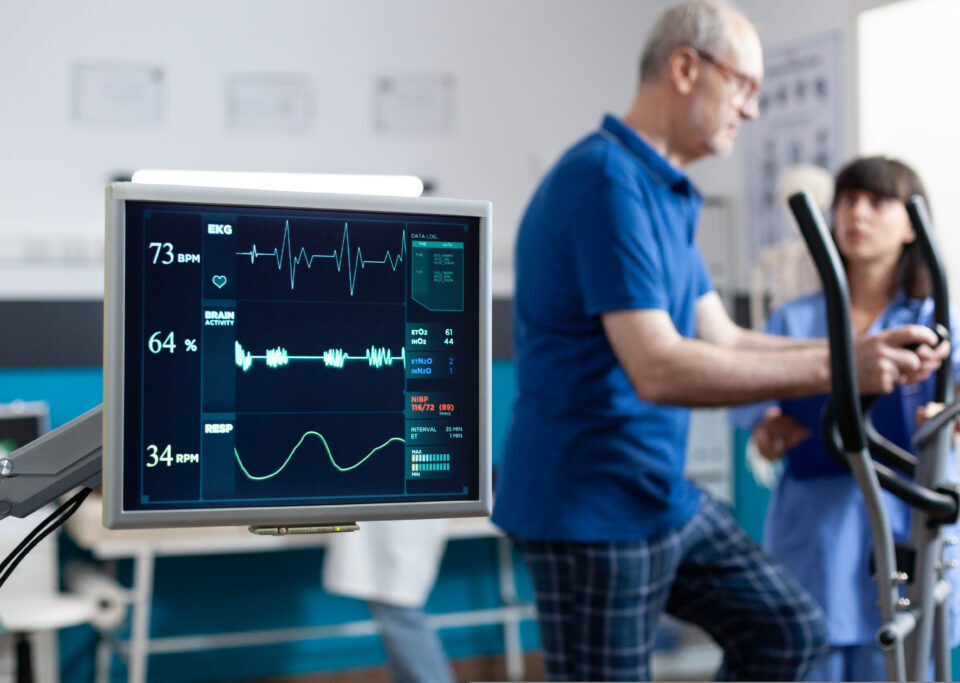
Physical activity helps your heart become stronger, allowing it to pump blood with less effort. This reduces the pressure on your arteries.
Try to include:
- Brisk walking – 30 minutes daily
- Swimming or cycling – great for cardiovascular fitness
- Yoga or stretching – helps reduce stress and improve flexibility
- Strength training – 2–3 times a week
You don’t need an intense gym workout. Even 30 minutes of moderate exercise five days a week can significantly lower your blood pressure.
💡Tip:
If you have a desk job, take short walking breaks every hour. Movement throughout the day matters just as much as structured workouts.
4. Maintain a Healthy Weight
Carrying extra body weight, especially around the abdomen, can increase the strain on your heart. Research shows that losing even 5–10 pounds can have a noticeable effect on blood pressure levels.
Steps to maintain healthy weight:
- Eat smaller portions
- Avoid sugary beverages
- Stay active
- Get enough sleep (7–8 hours per night)
When your weight is under control, your heart doesn’t have to work as hard, and your blood pressure naturally improves.
5. Reduce Salt (Sodium) Intake
Sodium causes your body to hold onto water, which increases the volume of blood in your arteries and raises pressure.
Simple ways to cut down sodium:
- Avoid processed and packaged foods
- Read nutrition labels carefully
- Cook at home more often
- Replace salt with herbs, vinegar, or lemon juice
💡Tip:
The American Heart Association recommends less than 1,500 mg of sodium per day for people with high blood pressure.
6. Manage Stress Effectively
Chronic stress can trigger temporary spikes in blood pressure and may lead to unhealthy coping habits like overeating or smoking.
Ways to reduce stress:
- Practice deep breathing and meditation
- Spend time outdoors or in nature
- Listen to calming music
- Write in a journal or talk to a loved one
- Learn to say no when you feel overwhelmed
Even a few minutes of relaxation every day can help lower your stress levels and support better heart health.
7. Get Enough Quality Sleep
Lack of sleep can negatively affect your hormones, metabolism, and heart function — all of which can increase blood pressure.
To improve sleep:
- Maintain a regular bedtime
- Avoid caffeine late in the day
- Keep your bedroom cool and dark
- Limit screen time before bed
Aim for 7–9 hours of sleep each night to allow your body and mind to recover properly.
8. Limit Alcohol and Quit Smoking
Alcohol and smoking both damage your blood vessels and raise blood pressure.
- Alcohol: Limit to no more than one drink per day for women and two for men.
- Smoking: Every cigarette temporarily raises your blood pressure. Quitting smoking has almost immediate health benefits and significantly reduces your risk of heart disease.
💡Tip:
If quitting feels hard, seek support from a healthcare provider or join a support group — it’s one of the best decisions you can make for your heart.
9. Stay Hydrated
Dehydration can cause your body to retain sodium and tighten blood vessels, leading to higher pressure. Drink 8–10 glasses of water daily, and more if you exercise or live in a hot climate.
Avoid sugary drinks and sodas — they can increase blood pressure over time.
10. Monitor Your Blood Pressure Regularly
Tracking your blood pressure at home can help you understand what lifestyle changes are working.
You can use a digital blood pressure monitor and note your readings daily or weekly.
If your numbers consistently stay high despite lifestyle changes, it’s best to consult a healthcare professional for further evaluation.
Final Thoughts
Reducing high blood pressure without medication is absolutely possible through a healthy and consistent lifestyle. Small steps like eating nutritious meals, staying active, managing stress, and sleeping well can add up to big results over time.
Remember — it’s not about making drastic changes overnight, but about building habits that last a lifetime. By taking care of your heart naturally, you’re investing in a longer, more energetic, and fulfilling life.
Frequently Asked Questions (FAQs)
1. Can I really lower my blood pressure without medicine?
Yes! Many people successfully reduce their blood pressure through healthy lifestyle changes like exercise, balanced diet, weight management, and stress control. However, always consult your doctor before stopping any prescribed medication.
2. How long does it take to see results from natural methods?
It depends on your current health and consistency. Some people notice improvements within a few weeks, while others may take a few months. Regular tracking helps measure progress.
3. Are there specific foods that can quickly lower blood pressure?
Yes, foods rich in potassium, magnesium, and fiber help — such as bananas, spinach, sweet potatoes, oats, and beetroot. These nutrients help relax blood vessels and improve circulation.
4. Can drinking more water lower blood pressure?
Staying hydrated helps balance sodium levels and maintain healthy blood vessel function. While water alone won’t drastically lower blood pressure, it supports overall heart health.
5. Is stress really linked to high blood pressure?
Absolutely. Chronic stress releases hormones that constrict blood vessels and raise pressure. Managing stress through meditation, breathing exercises, or relaxation can significantly help.