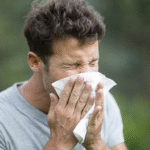
Effective Home Remedies for Seasonal Allergies
November 4, 2025
How to Reduce High Blood Pressure Without Medication – A Complete Natural Guide
November 4, 2025
Allergies have become one of the most common health challenges in today’s world. From seasonal pollen allergies to food sensitivities and dust mites, millions of people experience itchy eyes, sneezing, skin rashes, or congestion every year. But did you know that a strong immune system can actually help your body fight allergies more effectively?
While medications like antihistamines can bring short-term relief, natural remedies and lifestyle habits can build long-term resistance. Let’s explore the best natural ways to boost your immune system and keep allergies under control—naturally and safely.
🌸 Understanding the Link Between Immunity and Allergies
Allergies occur when your immune system overreacts to harmless substances, such as pollen, pet dander, or certain foods. It mistakes them for dangerous invaders and releases chemicals like histamine, which cause inflammation and allergy symptoms.
In simple terms:
👉 Weak or imbalanced immunity = overreactive immune response = allergies
So, the key isn’t to “shut down” your immune system but to balance and strengthen it. A healthy immune system responds appropriately—defending against true threats (like viruses and bacteria) without overreacting to harmless triggers.
🌿 1. Eat Immune-Boosting and Anti-Inflammatory Foods
Your diet is your first line of defense. Certain foods can strengthen your immune system and reduce inflammation, helping control allergic reactions.
✅ Best Foods to Include:
- Citrus Fruits (Vitamin C): Oranges, lemons, grapefruits, and kiwis help increase white blood cell production and reduce histamine levels.
- Leafy Greens: Spinach, kale, and broccoli contain antioxidants and folate that support immune health.
- Garlic and Onions: Both contain quercetin and allicin, natural compounds known to reduce allergy-related inflammation.
- Ginger and Turmeric: These powerful roots have anti-inflammatory properties that calm allergic reactions and strengthen immunity.
- Yogurt and Fermented Foods: Probiotics found in yogurt, kefir, kimchi, and sauerkraut improve gut health—a major factor in immune strength.
- Nuts and Seeds: Almonds, sunflower seeds, and walnuts provide vitamin E and zinc for healthy immune function.
Avoid processed foods, refined sugars, and excessive dairy, as they can increase mucus production and inflammation, worsening allergy symptoms.
💧 2. Stay Hydrated and Detox Naturally
Water plays a vital role in flushing out toxins and allergens from your body. Dehydration can thicken mucus and make allergy symptoms worse.
Try to drink at least 8–10 glasses of water daily. You can also include:
- Herbal teas (like peppermint or nettle) to clear nasal passages.
- Lemon water to boost vitamin C and aid detoxification.
- Coconut water to maintain electrolyte balance naturally.
A well-hydrated body supports better immune performance and helps your system respond more efficiently to allergens.
🌼 3. Strengthen Gut Health (Your Immune Powerhouse)
Did you know that about 70% of your immune system resides in your gut? A healthy gut microbiome helps control inflammation and prevents the immune system from overreacting to allergens.
How to Improve Gut Health:
- Add probiotic-rich foods (yogurt, kefir, miso, kimchi).
- Eat fiber-rich foods (whole grains, vegetables, legumes).
- Avoid excess antibiotics and processed foods that destroy good bacteria.
- Consider a daily probiotic supplement after consulting your healthcare provider.
When your gut flora is balanced, your immune system becomes smarter at distinguishing between harmful invaders and harmless allergens.
🌞 4. Get Enough Sunlight and Vitamin D
Vitamin D is essential for immune balance. Deficiency in vitamin D can increase the risk of allergies and autoimmune issues. Spending 15–20 minutes in the sunlight every morning can naturally raise your vitamin D levels.
If you live in an area with limited sunlight or spend most of your day indoors, consider adding vitamin D-rich foods like eggs, salmon, tuna, and fortified milk—or take a vitamin D3 supplement after medical advice.
🧘 5. Manage Stress Levels Naturally
Stress can weaken your immune system, making allergy symptoms worse. When you’re under stress, your body releases cortisol and adrenaline, which can disrupt immune function and increase inflammation.
Try these natural stress-relievers:
- Meditation and deep breathing – Calm your nervous system and balance hormones.
- Yoga or light exercise – Boost circulation and support immune health.
- Nature walks – Fresh air and sunlight help reduce cortisol naturally.
- Good sleep – Aim for 7–8 hours each night to allow your body to heal and regenerate.
Keeping stress under control keeps your immune system strong and stable.
🍯 6. Use Natural Supplements and Herbs
Certain herbs and supplements can act as natural antihistamines and immune boosters. These have been used for centuries to treat allergies and improve immune response.
Popular Natural Options:
- Elderberry: Boosts immunity and helps fight respiratory infections.
- Echinacea: Enhances white blood cell activity and reduces allergy severity.
- Quercetin: Found in apples and onions; acts as a natural antihistamine.
- Turmeric (Curcumin): Reduces inflammation and supports liver detox.
- Local Honey: Contains small amounts of local pollen, which may help your body build tolerance to allergens over time.
Before starting any supplement, always consult your doctor, especially if you’re pregnant or taking medication.
🌿 7. Keep Your Environment Clean
Even with a strong immune system, reducing exposure to allergens makes a big difference. Simple lifestyle habits can help:
- Use HEPA filters in your home to remove dust and pollen.
- Wash bedding weekly in hot water.
- Avoid smoking or secondhand smoke exposure.
- Vacuum regularly with an allergy-friendly vacuum cleaner.
- Keep windows closed during high pollen seasons.
A cleaner, allergen-free home supports both your respiratory and immune systems.
💨 8. Practice Nasal Hygiene
If you suffer from seasonal allergies, nasal rinsing can help remove allergens from your sinuses. Try using a saline spray or a neti pot to flush out dust, pollen, and mucus.
Regular nasal hygiene keeps your airways clear, reduces congestion, and prevents infections—giving your immune system less to fight off.
🍃 9. Get Enough Sleep and Rest
Sleep is the time when your body heals and regenerates. Lack of sleep can weaken your immune defenses and make allergy symptoms worse.
Try to:
- Sleep 7–9 hours nightly.
- Maintain a consistent sleep schedule.
- Avoid caffeine and heavy meals before bed.
- Create a calm, allergen-free sleeping environment.
A well-rested immune system is stronger, smarter, and more resilient.
🌺 10. Regular Physical Activity
Moderate exercise improves circulation, boosts immunity, and reduces stress hormones that can worsen allergies. Aim for at least 30 minutes of daily physical activity, such as brisk walking, cycling, or yoga.
However, if you’re prone to outdoor allergies, try working out indoors during high pollen seasons or early mornings when pollen levels are lower.
🌱 Final Thoughts
Your immune system is your body’s natural armor—and strengthening it naturally can make a world of difference in managing allergies. Small, consistent habits like eating nutritious foods, sleeping well, managing stress, and staying hydrated can transform your body’s defense system.
Remember, the goal isn’t just to stop symptoms temporarily but to balance your immune response for long-term health and allergy resistance.
❓ Frequently Asked Questions (FAQs)
1. Can boosting my immune system completely stop allergies?
Not entirely, but it can reduce their severity and frequency. A stronger immune system helps your body respond more calmly to allergens, leading to milder symptoms.
2. What foods should I avoid if I have allergies?
Avoid processed foods, excessive sugar, fried items, and artificial additives. These can increase inflammation and weaken your immune system.
3. How long does it take to see results from natural methods?
You may start noticing improvements within a few weeks to a few months, depending on your diet, lifestyle, and consistency.
4. Is local honey really effective for allergies?
Some people find relief using local raw honey, as it may help the body adapt to local pollen. However, results vary, and it shouldn’t replace medical treatment if allergies are severe.
5. Can stress really trigger allergy flare-ups?
Yes! Chronic stress weakens immunity and increases inflammation, which can make allergic reactions stronger. Managing stress through mindfulness, rest, and exercise is essential.