Best Home Remedies for Foot Pain Relief
November 4, 2025
Best Physical Therapy Exercises for Lower Back Pain
November 4, 2025
Living with diabetes means paying special attention to your health every single day — and one of the most important yet often overlooked aspects is foot care. High blood sugar levels can damage nerves and reduce blood flow to your feet, leading to problems like infections, ulcers, or even serious complications if ignored. But the good news is that with the right daily diabetic foot care routine, you can prevent these issues and keep your feet healthy and comfortable.
In this article, we’ll explore simple, practical, and effective diabetic foot care tips you can follow every day, plus answer some frequently asked questions at the end.
Why Foot Care Is So Important for Diabetics
When you have diabetes, your feet are more vulnerable because of two major factors:
- Nerve Damage (Neuropathy) – High blood sugar can damage nerves, leading to loss of sensation in your feet. This means you might not feel small cuts, blisters, or sores that could later become infected.
- Poor Circulation – Diabetes can reduce blood flow, making it harder for wounds to heal and increasing the risk of infection or ulcers.
These complications can be serious — but with consistent care, you can keep your feet in great shape and prevent future problems.
1. Wash and Inspect Your Feet Daily
Every day, take a few minutes to wash your feet gently using lukewarm water and mild soap. Avoid hot water because diabetes can sometimes affect your ability to feel temperature changes, leading to accidental burns.
After washing, dry your feet carefully, especially between the toes, since moisture can lead to fungal infections.
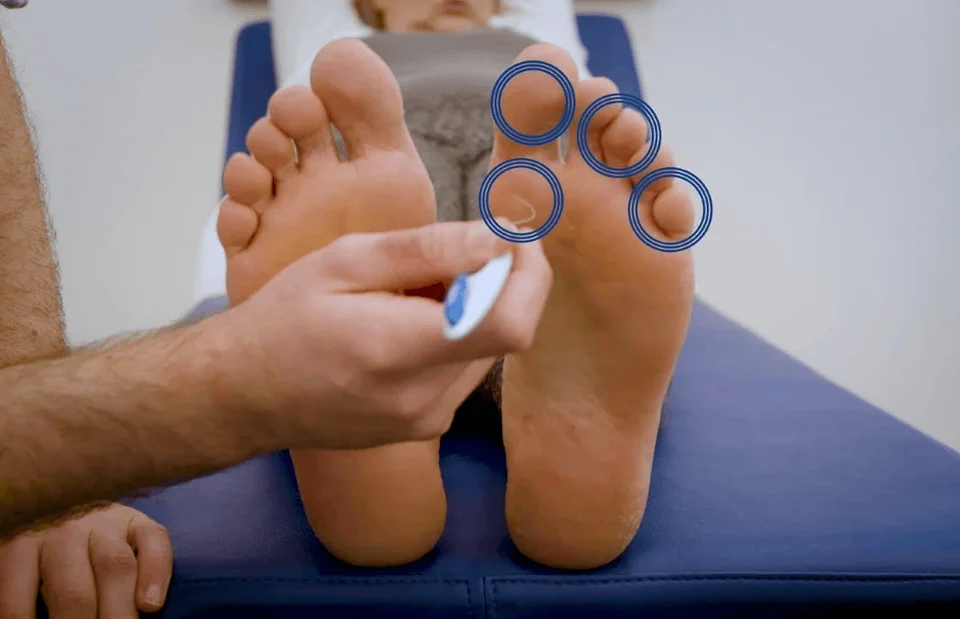
Once they’re clean and dry, inspect your feet closely. Look for any redness, swelling, blisters, cuts, or cracked skin. If you have trouble seeing the bottom of your feet, use a mirror or ask someone to help. Early detection of small issues can prevent big problems later.
2. Moisturize – But Skip Between the Toes
Dry skin can crack and let bacteria in, which may lead to infections. To prevent this, apply a good-quality moisturizer or lotion on your feet daily. Focus on your heels and soles, but avoid applying lotion between your toes, as moisture in that area can encourage fungal growth.
If your feet are extremely dry, you can use a urea-based cream designed for diabetic skin.
3. Keep Your Nails Trimmed and Clean
Proper nail care helps prevent ingrown toenails and infections. Cut your toenails straight across and file the edges to smooth them out. Avoid cutting them too short or rounding the corners, as this can lead to ingrown nails.
If you have thick or curved nails, or poor vision, it’s best to have a podiatrist (foot specialist) handle your nail trimming.
4. Always Wear Comfortable Shoes and Socks
Shoes play a huge role in protecting your feet. Choose footwear that fits well — not too tight or too loose — with enough room for your toes to move freely. Look for shoes made from breathable materials and with soft interiors to prevent friction.
Never walk barefoot, even at home, because you could easily injure your feet without realizing it.
Also, wear clean, moisture-wicking socks every day to keep your feet dry and warm. Avoid socks with tight elastic bands, which can restrict blood flow. Cotton or diabetic-friendly socks are ideal.
5. Check Inside Your Shoes Before Wearing Them
Small stones, rough seams, or sharp objects can cause blisters or sores. Before putting your shoes on, inspect the inside carefully and shake them out. This small step can prevent unnecessary injuries.
6. Keep Blood Sugar Under Control
Healthy blood sugar levels are the foundation of diabetic foot care. Consistently high glucose levels can damage nerves and blood vessels over time. Follow your doctor’s advice about diet, exercise, and medication to keep your blood sugar in the target range.
7. Don’t Ignore Foot Pain or Changes
Never ignore foot pain, tingling, numbness, swelling, or changes in color or temperature. These can be early signs of nerve damage or circulation problems.
If you notice cuts or blisters that aren’t healing, see your doctor or podiatrist immediately. Early treatment can prevent infections or serious complications.
8. Avoid Extreme Temperatures
Since nerve damage can make it hard to sense heat or cold, always test water temperature with your elbow before soaking your feet. Avoid heating pads, hot water bottles, or direct exposure to heaters. In cold weather, keep your feet warm with socks but don’t use electric blankets or heating devices.
9. Exercise Regularly
Regular exercise improves circulation and overall health. Activities like walking, swimming, or yoga help blood flow to your legs and feet. Just remember to wear the right shoes and socks during exercise to prevent blisters or friction.
If you have severe neuropathy, consult your doctor about the safest types of exercise.
10. Schedule Regular Foot Checkups
Even if your feet feel fine, make sure to visit your podiatrist at least once a year, or more often if you have nerve damage or previous foot problems. A professional exam can catch issues you might not notice yourself.
During the visit, your doctor can also trim your nails, check circulation, and give you personalized foot care advice.
11. Quit Smoking
Smoking reduces blood flow to your feet and makes it harder for wounds to heal. If you smoke, quitting can significantly improve circulation and reduce the risk of serious foot problems.
12. Keep Feet Warm but Dry
Cold feet can be a sign of poor circulation. Keep your feet warm with socks, but ensure they are dry and breathable. Avoid tight footwear that limits blood flow.
13. Eat a Balanced Diet
A healthy diet not only helps control blood sugar but also supports skin and nerve health. Include foods rich in vitamins, antioxidants, and omega-3 fatty acids, such as leafy greens, nuts, fish, and whole grains.
14. Be Gentle with Corns and Calluses
If you develop calluses or corns, never try to cut or shave them yourself. Use a pumice stone gently after bathing, or ask your podiatrist to remove them safely. Over-the-counter corn removers or harsh chemicals should be avoided.
15. Practice Good Hygiene Everywhere
If you visit public pools, gyms, or spas, always wear flip-flops or water shoes to prevent fungal infections like athlete’s foot. Keep your personal towels and foot care tools clean.
Conclusion
Caring for your feet daily is one of the best ways to prevent complications from diabetes. Simple habits like washing, inspecting, moisturizing, and protecting your feet can make a world of difference. Remember, prevention is always easier and safer than treatment.
If you notice any signs of infection, pain, or wounds that don’t heal quickly, contact your healthcare provider right away. Healthy feet mean a healthier, more active life — so give them the attention they deserve every day!
Frequently Asked Questions (FAQs)
1. Why are diabetic feet more prone to problems?
Diabetes can damage nerves and reduce blood flow, making it harder for your feet to feel pain or heal wounds. This increases the risk of infections and ulcers if not cared for properly.
2. How often should I check my feet?
You should check your feet every day, preferably at the same time, like before bed. Look for any cuts, swelling, or color changes.
3. Can I soak my feet in warm water daily?
You can soak your feet occasionally, but not daily. Too much soaking can dry out your skin. Always test the water temperature first to avoid burns.
4. What kind of shoes are best for diabetics?
Diabetic-friendly shoes should be comfortable, supportive, and non-restrictive, with soft interiors and no pressure points. Avoid high heels, flip-flops, or tight shoes.
5. When should I see a doctor for foot problems?
If you notice cuts, sores, blisters, swelling, or numbness that don’t heal quickly, see your doctor or podiatrist immediately. Early treatment can prevent serious complications.