Foods That Improve Hormonal Balance and Libido
November 4, 2025
Foods and Drinks That Help You Sleep Better
November 4, 2025
Sleep is one of the most important aspects of maintaining good health. Unfortunately, in today’s fast-paced world, many people struggle to get a full night’s rest. Poor sleep can lead to irritability, reduced focus, weight gain, and even chronic health issues like heart disease and diabetes. While medications can help some people, there are many natural ways to improve sleep quality that are safer and sustainable. In this article, we will explore practical, natural methods to sleep better, along with lifestyle changes and tips you can adopt immediately.
1. Understand Your Sleep Patterns
The first step to improving sleep quality is understanding your sleep patterns. Everyone has a circadian rhythm, an internal body clock that regulates sleep and wake cycles. When this rhythm is disrupted, falling asleep or staying asleep becomes difficult. Tracking your sleep can help identify patterns such as waking up in the middle of the night or difficulty falling asleep. You can use a simple journal or a sleep tracking app to monitor your habits.
2. Stick to a Consistent Sleep Schedule
Going to bed and waking up at the same time every day—even on weekends—can significantly improve sleep quality. Your body becomes accustomed to a routine, making it easier to fall asleep naturally. Irregular sleep schedules can confuse your circadian rhythm, leading to restless nights. Try to aim for 7–9 hours of sleep every night, which is the recommended amount for most adults.
3. Create a Sleep-Friendly Environment
Your bedroom environment plays a huge role in sleep quality. A calm, comfortable setting promotes relaxation and prepares your body for rest. Consider the following tips:
- Keep your room dark: Darkness signals your body to produce melatonin, the sleep hormone.
- Maintain a cool temperature: A slightly cooler room (around 18–22°C or 65–72°F) helps lower your body temperature for better sleep.
- Reduce noise: Use earplugs or a white noise machine if your environment is noisy.
- Invest in a comfortable mattress and pillow: Proper support can reduce discomfort and prevent waking up in the middle of the night.
4. Limit Exposure to Screens Before Bed
Electronic devices such as smartphones, tablets, and laptops emit blue light, which can interfere with melatonin production and delay sleep. To naturally improve your sleep quality, avoid using these devices at least 1–2 hours before bedtime. Instead, consider reading a book, listening to calming music, or practicing relaxation exercises.
5. Watch Your Diet
What you eat and drink can impact how well you sleep. Certain foods and drinks can promote sleep, while others can disrupt it. Here are some helpful tips:
- Avoid caffeine late in the day: Coffee, tea, and some soft drinks can keep you awake.
- Limit heavy meals at night: Large or spicy meals can cause discomfort and indigestion.
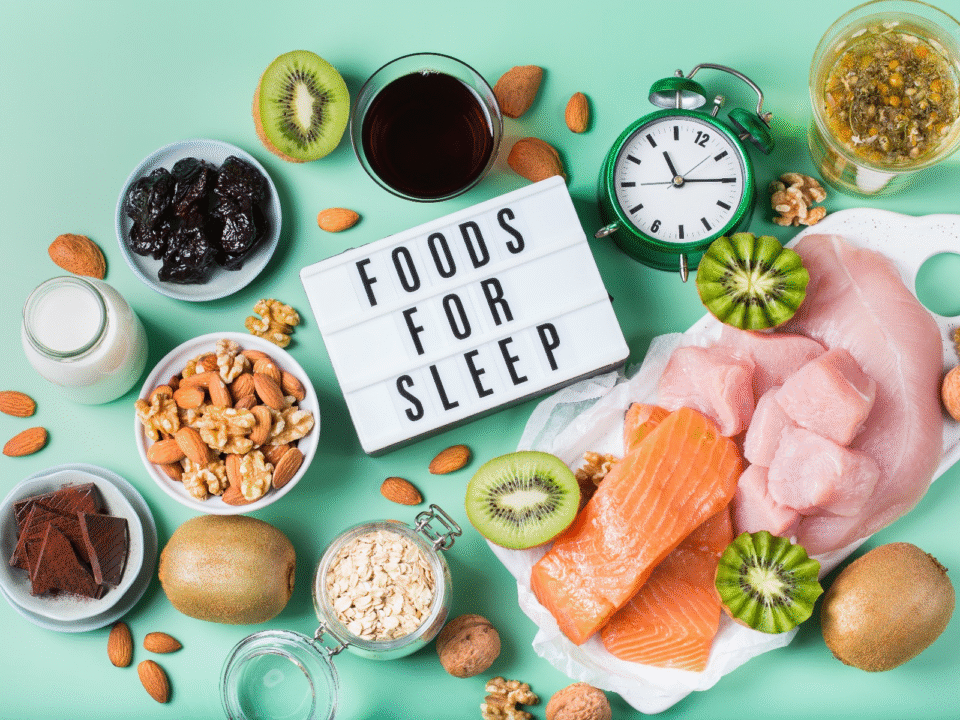
- Incorporate sleep-friendly foods: Foods rich in magnesium, tryptophan, or melatonin, such as bananas, almonds, oats, and cherries, can naturally support sleep.
6. Get Regular Exercise
Regular physical activity is one of the most effective ways to improve sleep quality naturally. Exercise helps regulate circadian rhythms and reduces stress, making it easier to fall asleep. Aim for at least 30 minutes of moderate exercise most days of the week. However, avoid intense workouts right before bedtime, as this can have the opposite effect and make falling asleep harder.
7. Manage Stress and Relaxation
Stress and anxiety are common causes of poor sleep. Finding ways to manage stress naturally can drastically improve your sleep quality. Some effective techniques include:
- Meditation and deep breathing exercises: These practices calm your mind and prepare your body for sleep.
- Yoga: Gentle yoga stretches can relax muscles and reduce tension.
- Journaling: Writing down thoughts before bed can help clear your mind of worries that might keep you awake.
8. Limit Alcohol and Nicotine
While alcohol may make you feel sleepy initially, it can disrupt your sleep cycle and reduce sleep quality. Nicotine, a stimulant, can make falling asleep and staying asleep more difficult. Limiting or avoiding these substances, especially before bedtime, can improve the natural rhythm of your sleep.
9. Use Natural Sleep Aids
Some natural remedies can promote relaxation and better sleep. These include:
- Herbal teas: Chamomile, valerian root, and lavender teas have calming properties.
- Aromatherapy: Essential oils like lavender or sandalwood can create a soothing bedtime environment.
- Magnesium supplements: Magnesium can help relax muscles and calm the nervous system, supporting better sleep.
10. Avoid Long Naps During the Day
Short naps (10–20 minutes) can be refreshing, but long daytime naps can interfere with nighttime sleep. If you feel the need to nap, keep it brief and try to do it earlier in the day.
11. Expose Yourself to Natural Light
Natural light helps regulate your circadian rhythm. Spend time outside during the day, especially in the morning, to improve alertness during the day and sleepiness at night. Exposure to sunlight helps your body know when it’s time to be awake and when it’s time to wind down.
12. Seek Professional Help If Needed
If you’ve tried these natural strategies and still struggle with sleep, it may be time to consult a healthcare professional. Sleep disorders like insomnia, sleep apnea, or restless leg syndrome require professional evaluation and treatment. Addressing the underlying cause is essential for long-term improvement.
FAQs About Improving Sleep Quality Naturally
1. How long does it take to see improvements in sleep quality?
Sleep improvement varies from person to person. Most people notice changes within a few days to a couple of weeks after adopting consistent sleep habits.
2. Can drinking warm milk really help me sleep?
Yes, warm milk contains tryptophan, an amino acid that helps produce melatonin, which may promote relaxation and sleep.
3. Is it better to sleep in complete darkness or with a night light?
Complete darkness is ideal for most people because it encourages melatonin production. If you need a night light, choose a dim, warm-colored light.
4. Can stress really prevent me from sleeping?
Absolutely. Stress can increase cortisol levels, making it harder to fall asleep. Relaxation techniques, meditation, or yoga can help calm the mind before bed.
5. Are there any foods I should eat before bed for better sleep?
Foods like bananas, almonds, oatmeal, cherries, and herbal teas can promote sleep. Avoid caffeine, heavy meals, and sugary snacks near bedtime.
Improving sleep quality naturally is about creating healthy habits and a supportive environment. With consistent effort, proper routines, and mindfulness, better sleep can become a reality without relying on medications. A good night’s sleep is not just a luxury—it’s a cornerstone of health, energy, and overall well-being.