Best Physical Therapy Exercises for Lower Back Pain
November 4, 2025
How to Maintain Sexual Health Naturally
November 4, 2025
Recovering from knee surgery can be a challenging journey — both physically and emotionally. Whether you’ve undergone a total knee replacement, arthroscopic procedure, or ligament reconstruction, getting back on your feet requires time, effort, and proper rehabilitation. This is where physiotherapy plays a vital role. It’s not just about exercises; it’s about helping your knee heal properly, improving mobility, and regaining your confidence to move freely again.
In this article, we’ll explore how physiotherapy helps after knee surgery, the stages of recovery, what to expect, and why it’s essential for long-term joint health.
1. Understanding Knee Surgery and Recovery
Knee surgery is often performed to repair damage caused by injuries, arthritis, or wear and tear. Depending on the type of surgery, recovery can take anywhere from a few weeks to several months. During this time, the muscles, ligaments, and tissues around the knee need to regain their strength and flexibility.
However, after surgery, many people experience:
- Pain and swelling
- Stiffness and limited movement
- Weak muscles around the knee
- Difficulty walking or climbing stairs
Without proper rehabilitation, these issues can slow down recovery and lead to long-term complications. That’s why doctors usually recommend physiotherapy as a part of your post-surgery treatment plan.
2. The Importance of Physiotherapy After Knee Surgery
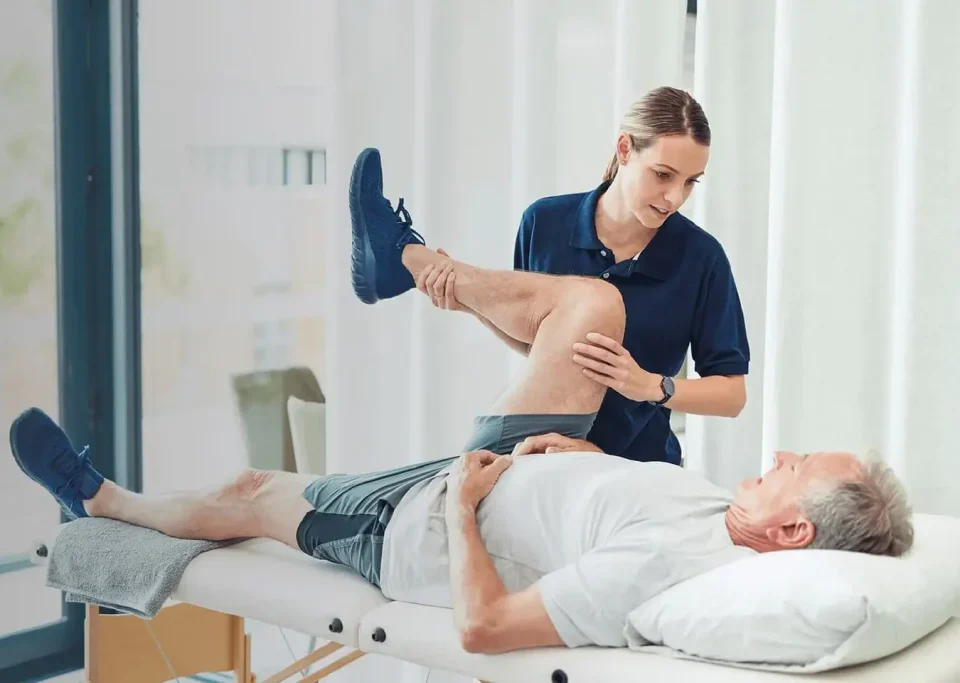
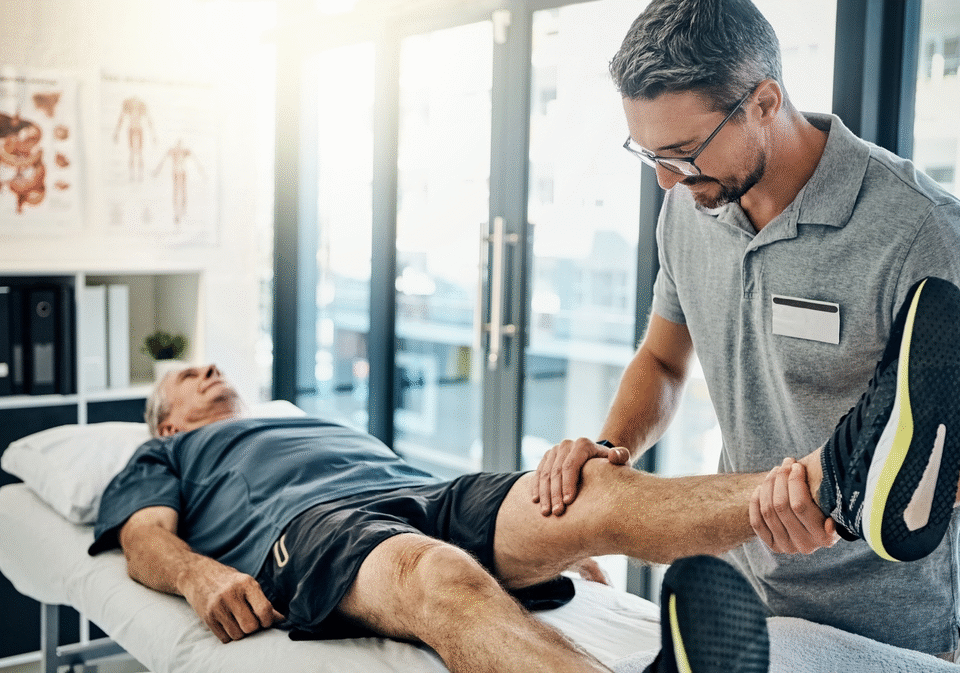
Physiotherapy is not just about doing exercises — it’s a structured recovery process guided by trained professionals. The main goal is to restore normal movement, reduce pain, and improve muscle strength.
Here are some of the key ways physiotherapy helps after knee surgery:
a) Reduces Pain and Swelling
After surgery, pain and inflammation are common. Physiotherapists use techniques such as ice therapy, gentle massage, ultrasound, and compression exercises to reduce swelling and manage discomfort. This makes it easier to start movement early without causing damage.
b) Restores Range of Motion
One of the main challenges after knee surgery is stiffness. Without proper movement, scar tissue can form, making the knee even harder to bend or straighten. Physiotherapy includes gradual stretching and mobility exercises to help you regain full range of motion safely.
c) Strengthens Muscles
Surgery often weakens the muscles around the knee, especially the quadriceps and hamstrings. Physiotherapists design customized strengthening exercises that target these areas. Strong muscles support your knee joint and prevent future injuries.
d) Improves Balance and Coordination
After surgery, your body’s balance and coordination may feel off. Physiotherapy includes balance training and proprioceptive exercises, which help your brain and muscles work together. This helps you move more confidently and prevents falls.
e) Encourages Safe Movement
You’ll learn how to walk correctly with crutches, climb stairs safely, and perform daily activities without straining your knee. Physiotherapists monitor your posture and gait to ensure proper alignment and prevent future joint issues.
f) Boosts Confidence and Motivation
Recovering from surgery can be frustrating. Having a physiotherapist guide and motivate you along the way provides emotional support and encouragement to stay consistent — which is key for healing.
3. The Stages of Physiotherapy After Knee Surgery
Recovery doesn’t happen overnight. It follows a series of phases — each focusing on specific goals. Let’s break them down:
Stage 1: Immediate Post-Surgery Phase (Week 1–2)
Goals: Control pain and swelling, start gentle movement.
During this period, your physiotherapist will guide you through:
- Ice and elevation to reduce swelling
- Gentle knee bends and straightening exercises
- Deep breathing and circulation exercises to prevent blood clots
- Learning how to walk with crutches or a walker
Stage 2: Early Rehabilitation (Weeks 3–6)
Goals: Restore basic mobility and improve muscle activation.
This phase includes:
- Light stretching and strengthening exercises
- Stationary cycling or pool exercises (if allowed)
- Improving knee flexion (bending) and extension (straightening)
- Gradually reducing support from crutches
Stage 3: Strength and Endurance Training (Weeks 6–12)
Goals: Build muscle strength and stability.
Your physiotherapist will introduce:
- Resistance band exercises
- Squats, step-ups, and leg presses (under supervision)
- Balance and coordination training
- Functional movement retraining for daily activities
Stage 4: Advanced Rehabilitation (Months 3–6)
Goals: Return to full mobility and normal activities.
This phase focuses on:
- Dynamic balance training
- Jogging, light sports activities (as advised)
- Agility and endurance exercises
- Building confidence in your knee movement
Stage 5: Maintenance and Long-Term Care
Even after formal physiotherapy ends, maintaining knee health is important. Continue with:
- Regular exercise routines
- Stretching before and after workouts
- Avoiding high-impact sports (if advised)
- Monitoring for any pain or stiffness
4. Common Physiotherapy Techniques Used After Knee Surgery
Physiotherapists use a variety of methods depending on your recovery stage and type of surgery. Some popular techniques include:
- Manual therapy: Gentle hands-on manipulation to reduce stiffness.
- Electrotherapy: Using mild electrical currents to ease pain and promote healing.
- Hydrotherapy: Exercises in water that reduce pressure on the knee while improving mobility.
- Taping or bracing: Providing support and alignment during early recovery.
- Therapeutic ultrasound: To enhance blood flow and tissue healing.
These techniques, combined with personalized exercise programs, help speed up your recovery safely.
5. The Role of Home Exercises
While clinical physiotherapy sessions are essential, your progress depends greatly on what you do at home. Physiotherapists often assign home exercise programs to maintain flexibility and strength between sessions.
Consistency is key — skipping exercises can delay healing and make recovery harder. Always follow your physiotherapist’s advice and never overdo exercises, as pushing too hard too soon may lead to complications.
6. When to Start Physiotherapy After Knee Surgery
Usually, physiotherapy starts within 24 to 48 hours after surgery, depending on your doctor’s approval. Early movement helps prevent stiffness and promotes circulation. However, each patient’s condition is different, so the physiotherapist will adjust the plan according to your pain level, type of surgery, and overall health.
7. Benefits of Long-Term Physiotherapy for Knee Health
Even after recovery, regular physiotherapy exercises can:
- Keep your muscles and joints strong
- Prevent re-injury or strain
- Maintain flexibility and balance
- Delay joint wear and tear
- Improve your overall quality of life
In simple terms — physiotherapy doesn’t just heal your knee; it helps you move better, live better, and stay active for years to come.
8. Final Thoughts
Knee surgery might feel like a big setback, but with dedicated physiotherapy, you can regain strength, confidence, and independence faster than you think. It’s not about rushing recovery — it’s about healing smartly and steadily under professional guidance.
Remember, every step you take after knee surgery matters. Physiotherapy ensures that each of those steps brings you closer to a pain-free, active, and healthier life.
Frequently Asked Questions (FAQs)
1. How soon should I start physiotherapy after knee surgery?
Usually, physiotherapy begins within 24–48 hours after surgery, but it depends on your surgeon’s recommendation and your overall condition. Early physiotherapy helps reduce stiffness and promotes faster healing.
2. How long does physiotherapy last after knee surgery?
Most people continue physiotherapy for 3 to 6 months, but the duration varies depending on the surgery type, age, and fitness level. Your physiotherapist will guide you based on your progress.
3. Can I do physiotherapy at home after knee surgery?
Yes, you can perform prescribed exercises at home. However, professional guidance is essential, especially in the early stages, to ensure you’re doing them correctly and safely.
4. What happens if I skip physiotherapy after knee surgery?
Skipping physiotherapy can lead to stiffness, weak muscles, limited movement, and prolonged pain. It can also increase the risk of re-injury or long-term knee problems.
5. Is physiotherapy painful after knee surgery?
You might feel mild discomfort during exercises, but physiotherapy shouldn’t cause sharp pain. The goal is to stretch and strengthen gently. Always communicate with your physiotherapist if you feel pain during a session.